

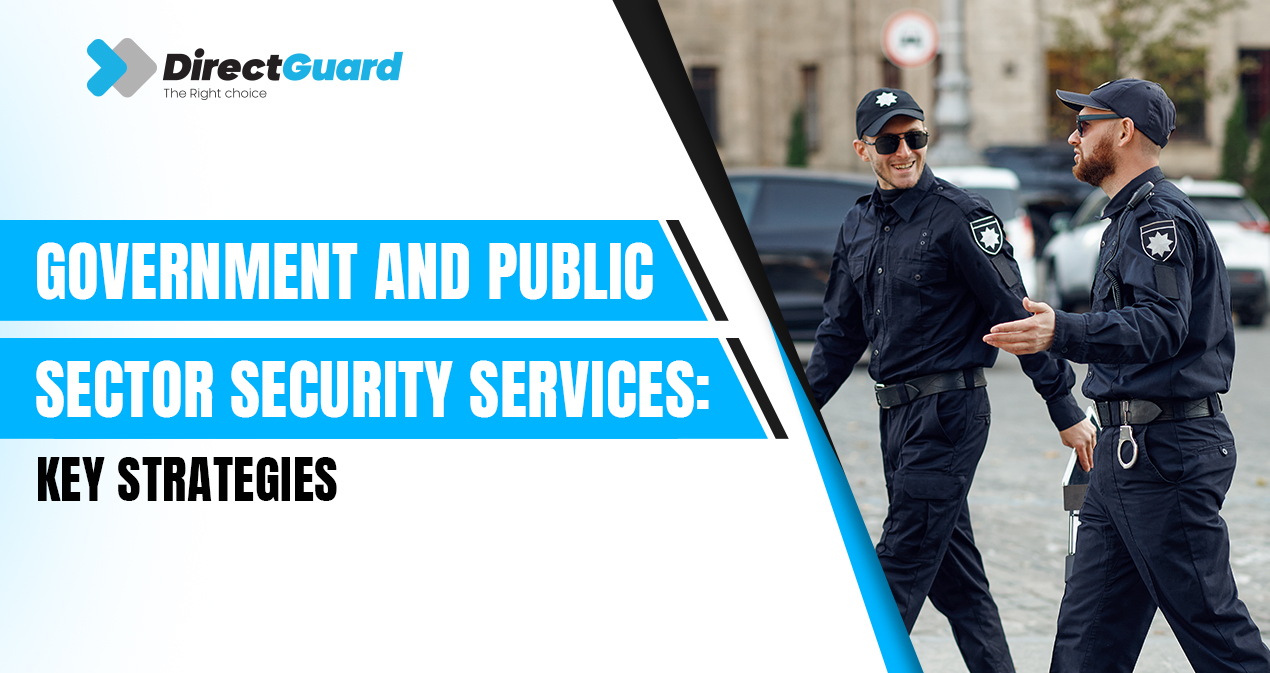
Government buildings and public sector institutions are crucial to the functionality of any nation. These institutions host sensitive information, provide essential services, and manage resources that affect millions of lives. As such, their security is of paramount importance. Effective security services within the government and public sector are not only about protecting physical assets but also safeguarding data, ensuring compliance with regulations, and maintaining public trust.
This blog post explores key strategies for ensuring top-notch security in government and public sector institutions. We’ll discuss modern approaches to security, including technological solutions, workforce management, and coordination with law enforcement agencies.
Integrating Technology in Security Operations
The rapid advancements in technology have transformed security management. For government and public sector security services, adopting the latest technologies is essential to stay ahead of potential threats.
Surveillance Systems and Monitoring
CCTV cameras, motion sensors, and advanced video analytics tools are now essential components of security infrastructure. These systems help monitor large, sprawling government campuses, offering real-time monitoring, and reducing the need for human presence in every corner. Artificial intelligence (AI) and machine learning algorithms are also enhancing surveillance capabilities by analyzing behaviors and detecting irregularities or threats before they escalate.
Access Control Systems
Biometric authentication systems, such as facial recognition or fingerprint scanning, have become an industry standard for managing access to government facilities. These systems provide high levels of security while minimizing human error. RFID badges and smartcards also help limit access to authorized personnel only, ensuring that sensitive areas remain secure.
Cybersecurity
The protection of digital infrastructure and sensitive data is another crucial aspect of government and public sector security. With the increase in cyber-attacks targeting government agencies worldwide, cybersecurity protocols must be as robust as physical security measures. Implementing encryption, regular vulnerability assessments, and multi-factor authentication can greatly reduce the risk of data breaches and cyber threats.
Training and Professional Development
Security personnel must be well-equipped to handle a variety of situations, from crowd control to emergency response. Proper training is vital for ensuring that security staff are effective in their roles and can respond to incidents appropriately.
Ongoing Training
Security personnel should undergo regular training to stay updated with the latest tactics, technology, and best practices. In particular, law enforcement officers and security guards should be trained to handle specific threats such as terrorism, civil unrest, or active shooter situations. They should also be familiar with emergency evacuation procedures and first-aid protocols.
Crisis Management and Response Training
Simulations and role-playing scenarios can help security personnel prepare for a wide range of potential crises. This training can also foster team coordination, which is crucial during high-pressure situations. Understanding how to interact with other agencies and the public can lead to smoother incident resolution.
Specialized Training for Cybersecurity
In addition to physical security, cybersecurity training for government staff is necessary. This involves both the security team and employees who handle sensitive data. It includes how to recognize phishing attempts, secure passwords, and safeguard mobile devices. Public sector employees must understand the risks associated with the digital world and how their actions can prevent or contribute to security breaches.
Collaboration with Local Law Enforcement and Emergency Services
While private security companies play a significant role in maintaining safety in government buildings, they must work hand-in-hand with law enforcement and emergency services. The relationship between private security personnel and local police forces is crucial for an effective security strategy.
Coordination with Law Enforcement
Law enforcement officers have the expertise, legal authority, and resources needed to handle severe criminal threats. By working with police forces, government security teams can enhance their threat detection capabilities, share intelligence, and receive support in emergency situations.
Emergency Response Plans
Having coordinated emergency response plans is critical. These plans should outline the steps that both private security personnel and law enforcement will take in case of an emergency. For example, a bomb threat or a natural disaster could require an immediate response from both security teams. Pre-established protocols ensure that response times are swift and effective, reducing the impact of the crisis.
Risk Management and Threat Assessment
Identifying and assessing potential risks is one of the first steps in developing an effective security strategy. Government buildings and public institutions face a wide variety of threats, including terrorism, civil disturbances, cyberattacks, and natural disasters.
Regular Threat Assessments
Governments must continuously assess potential threats to their assets. Regular risk assessments can help identify vulnerabilities and help security teams prioritize their efforts. This includes evaluating the surrounding area for potential threats, analyzing the behavior of employees and visitors, and staying updated on global events that could impact national security.
Scenario Planning and Predictive Analytics
Incorporating predictive analytics into threat assessments can help anticipate future security risks. Government and public sector organizations can use data to understand patterns in criminal behavior or threats and take proactive measures. By analyzing past incidents, authorities can determine what types of security measures are most effective.
Collaborating with Intelligence Agencies
Government and public sector security services must work with national intelligence agencies to stay informed of emerging threats. Sharing intelligence data helps prevent security breaches before they happen. This collaboration also helps ensure that government entities are aware of regional or global security trends that might affect them.
Physical Security Measures
While technology plays a pivotal role, traditional physical security measures continue to be an integral part of a comprehensive security strategy.
Perimeter Security
Fencing, gates, and barriers are essential to controlling access to government buildings and public institutions. These physical measures serve as the first line of defense, helping to keep unauthorized individuals away from restricted areas. Guard stations and checkpoints at entry points further ensure that only authorized personnel gain access.
Patrolling and On-Site Security Personnel
In addition to surveillance systems, having trained security guards patrolling the premises ensures that there is always a human presence to respond quickly to emergencies. These security personnel should be visible and easily identifiable to deter potential intruders. Regular patrols also help identify security risks that might be overlooked by surveillance equipment.
Emergency Evacuation Routes and Safe Zones
Government buildings must have clear, well-marked emergency exits and safe zones in case of evacuation. Regular drills are necessary to ensure that both employees and visitors know the escape routes and protocols in the event of an emergency. These plans should also include coordination with local fire departments and emergency medical teams.
Public Engagement and Transparency
For public sector institutions, maintaining public trust is crucial. Engaging with the public and being transparent about security measures can help reduce public anxiety and foster cooperation during security screenings and emergencies.
Public Awareness Campaigns
Governments should initiate public awareness campaigns that inform citizens about security procedures, such as restricted areas, screening processes, and emergency protocols. These campaigns can help ensure that citizens understand the importance of security measures and are more likely to cooperate with security personnel.
Transparency in Security Practices
Government institutions must be transparent about their security practices to gain the trust of the public. By outlining how security measures protect people and resources, citizens can feel more comfortable with security personnel and protocols.
Conclusion
Government and public sector security services play a vital role in maintaining national safety and security. By integrating advanced technology, providing continuous training for personnel, collaborating with law enforcement, assessing risks, and ensuring physical security measures, governments can protect critical infrastructure and sensitive information. Moreover, effective communication and transparency with the public help build trust and create a safer environment for all.
By focusing on these key strategies, public sector institutions can safeguard their operations, enhance public safety, and ensure resilience in the face of evolving threats.