Why Hospitals Need Security Guard Services

Hospitals are places of healing, of course. And they are high-traffic environments with safety top-of-mind for everyone inside. Patients and visitors and scores of staff need a secure atmosphere in which to focus on health and recovery. With increasing incidents not only of theft but also of violence and unauthorized access, there has never been a greater need for professional security guard services than now. Direct Guard Services meets all those unique security challenges that hospitals face through trained personnel who ensure safety for everyone while maintaining an inviting environment.

Growing Security Challenges in Hospitals

Modern hospitals face a variety of complex security threats ranging from assaultive behavior by patients to theft of medical apparatus. Emergency rooms are typically beset by various conditions that precipitate emergencies. In the absence of appropriate Security Guard Services, such conditions may escalate to deadly levels. These facilities also keep valuable information, making them targets for both cyber and physical breaches. The presence of security lowers these risks.

The Role of Security Guards in Hospitals

Security guards are the first line of defense in medical facilities against any threat. They help by monitoring entrance ways, checking visitor credentials, and patrolling certain sensitive areas. In an emergency situation, having security guards trained by Direct Guard Services will respond fast to patient protection as well as staff protection. They also help with crowd control so the hospital runs on time and works properly. This proactive presence hinders criminal minds and builds confidence among visitors.

Protecting Patients, Staff, and Assets

Hospitals have a great deal of valuable resources, ranging from very expensive diagnostic machines to life-saving medicines. In the absence of security guard services, these assets may be exposed to risks of pilferage or improper use. Guards ensure that restricted areas are not violated by unauthorized individuals. Staff members will work better when they know that security professionals are just within their immediate surroundings. Patients, most particularly those in vulnerable conditions, will be secured and attain peace in a secured environment.

Emergency Response and Crisis Management

Hospitals face crises that are not only medical emergencies but also include fire, natural disasters, and violence. Direct Guard Services gives proper training to its guards on how to respond in these types of situations. From assisting in patient evacuation due to fire breakout to conflict resolution, security guards perform and make decisions at the spur of the moment. Their promptness saves lives and prevents damage to properties. They ensure running of the hospital amidst chaos.

Access Control and Visitor Management

Entry and exit control is a major component of security at hospitals. Security Guard Services help to enforce very stringent access control so that unauthorized individuals do not gain access to sensitive areas. Visitor management systems also help in tracking visitors for patient privacy purposes. Guards check the identities of contractors, delivery personnel, and emergency workers as well. Such supervision lowers vulnerability and keeps healthcare safety regulation compliance. It is an important aspect of the protection of people and information.

The Human Factor in Hospital Security

While technology has proved necessary, nothing can take the place of a sharp human mind hooked to a trained body. Direct Guard Services ensures that their personnel are not only competent but also humane, where in a hospital vigilance is as necessary as compassion. Security guards have to communicate with patients and their families, helping them out and asking them to have faith in the kind of treatment the hospital is going to provide; hence, the security guards’ human touch increases the faith over the safety and proper treatment.

Pros and Cons of Hospital Security Guard Services

Pros:

  • Enhanced safety for patients, visitors, and staff.
  • Quick response to emergencies and incidents.
  • Professional visitor and access management.
  • Reduced theft and vandalism.
  • Boosted confidence in hospital safety standards.

Cons:

  • Additional operational costs for the hospital.
  • Need for ongoing training to match evolving threats.
  • Potential for misunderstandings if guards are not empathetic.
  • Over-reliance on physical presence instead of technology.
  • Requires strong management for consistent quality service.

Choosing the Right Security Partner

Choose a dependable provider for getting skilled, trained workers. The best security firm knows about special needs in hospitals, including patient privacy rules and medical emergency plans. They give custom solutions, not just standard offers. With a good partner, hospitals can work on health care while the experts handle safety. This teamwork makes total protection better.

FAQs

Q1: Why do hospitals need security guards?
A1: Hospitals face risks like theft, violence, and unauthorized access. Security Guard Services provide protection, manage emergencies, and ensure a safe environment.

Q2: Can security guards handle medical emergencies?
A2: While they aren’t medical professionals, trained guards assist in crisis management, evacuations, and keeping order until medical teams respond.

Q3: How do security guards manage visitors?
A3: They verify IDs, track entry and exit, and ensure only authorized individuals access sensitive hospital areas.

Q4: Are security guards cost-effective for hospitals?
A4: Yes. Preventing theft, damage, and dangerous incidents can save hospitals from larger financial losses.

Q5: What makes Direct Guard Services different?
A5: Direct Guard Services offers specialized training for healthcare settings, ensuring guards are both vigilant and compassionate.

Conclusion

Hospitals act as the pillars of community health. Safety lies at the core of their mission. With Security Guard Services, achieving safety for patients, staff members, and valuable assets within the hospital is attainable. Direct Guard Services provides reliable, compassionate, and professional security tailored to healthcare environments. In this society where threats can emerge abruptly, having proactive protection is not deemed a luxury but rather a necessity.
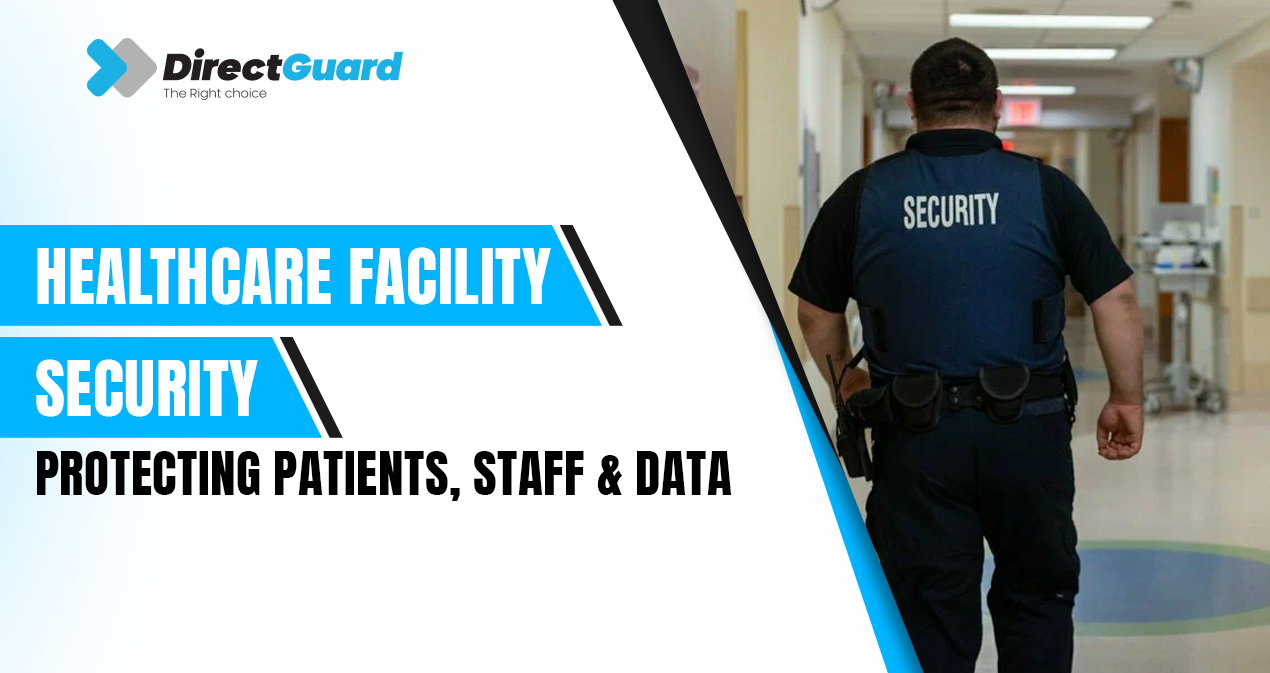
Healthcare Facility Security: Protecting Patients, Staff & Data

In today’s rapidly evolving healthcare landscape, healthcare facility security has become more than just a matter of locking doors and hiring guards. As hospitals, clinics, and medical centers face increasing threats ranging from physical violence to cyberattacks, ensuring the safety of patients, staff, and sensitive data has become paramount.

At Direct Guard Services, we understand the unique challenges faced by healthcare facilities and offer customized security solutions that protect every aspect of your operation. In this article, we’ll explore why comprehensive healthcare facility security is essential, the major risks involved, and the strategies that can help safeguard your people, premises, and information.

The Growing Need For Healthcare Facility Security

Healthcare environments are open, fast-paced, and emotionally charged—conditions that can make them vulnerable to various security threats. From aggressive patients and unauthorized intrusions to data breaches and theft, the stakes are high.

According to the U.S. Department of Health and Human Services, data breaches in the healthcare sector have surged dramatically in recent years. Meanwhile, physical violence against healthcare workers is also on the rise, highlighting the need for integrated security measures that combine both physical and digital protection.

Key Threats Facing Healthcare Facilities

  1. Physical Violence and Assaults
    Medical staff, particularly nurses and emergency room personnel, face a high risk of workplace violence. Patients under emotional stress or suffering from mental health issues can become aggressive, making trained security personnel a necessary presence.
  2. Theft and Vandalism
    Expensive medical equipment and pharmaceutical supplies are attractive targets for theft. Vandals and trespassers can cause damage, disrupt operations, and pose safety risks to staff and patients.
  3. Unauthorized Access
    Sensitive areas such as pharmacies, records rooms, and patient wards must be protected against unauthorized personnel. Poor access control can result in breaches of both safety and confidentiality.
  4. Cybersecurity Breaches
    With the digitalization of patient records, healthcare institutions are prime targets for hackers. A data breach can compromise patient privacy, violate HIPAA regulations, and lead to costly legal repercussions.

Core Components of An Effective Healthcare Facility Security Plan

1. Trained Security Personnel

Having professional, on-site security guards trained specifically in healthcare environments is the first line of defense. At Direct Guard Services, our officers are equipped with the skills to de-escalate conflicts, handle emergencies, and provide a calming presence to both staff and patients.

2. Access Control Systems

Implementing keycard entry, biometric scanners, and visitor management systems can prevent unauthorized access to restricted areas. These tools also allow facility managers to track who enters and exits specific zones.

3. Surveillance and Monitoring

High-definition CCTV cameras installed throughout the facility enable 24/7 monitoring. Integrating these with real-time alerts and motion detection provides an added layer of protection and rapid response capabilities.

4. Cybersecurity Protocols

Data protection is just as important as physical security. Partner with IT experts to install firewalls, encryption tools, and multi-factor authentication systems. Regular audits and employee training are essential to prevent phishing and other cyber threats.

5. Emergency Response Planning

Every healthcare facility should have a detailed emergency response plan that includes evacuation procedures, lockdown protocols, and active shooter drills. Training staff on these procedures is critical to minimizing harm during unexpected events.

Why Choose Direct Guard Services?

Direct Guard Services is a leader in professional security services with a dedicated focus on healthcare facilities. We offer tailored security plans that meet your specific needs—whether it’s a large hospital, an outpatient clinic, or a specialized medical center.

Our Services Include:

  • 24/7 Security Guard Services: Uniformed officers trained in healthcare-specific protocols.
  • Access Control Solutions: Installation and management of high-tech access systems.
  • Mobile Patrol Units: Ideal for large campuses or multi-building facilities.
  • Security Audits & Risk Assessments: We identify vulnerabilities and recommend improvements.
  • Emergency Response Coordination: Ensuring seamless collaboration with law enforcement and internal staff.

Our guards are trained not just to deter threats but to be a helpful part of the healthcare environment—supporting staff, guiding patients, and maintaining a peaceful, safe atmosphere.

Security Tips For Healthcare Administrators

If you’re responsible for managing or improving security in a healthcare facility, here are some actionable tips:

  • Conduct Regular Security Audits: Assess physical and digital vulnerabilities regularly.
  • Educate Staff: Training all employees on recognizing suspicious behavior and understanding emergency protocols can be a game-changer.
  • Upgrade Old Systems: Outdated surveillance or access control systems can be easily bypassed.
  • Engage Patients and Visitors: Clear signage, identification badges, and courteous checkpoints go a long way in maintaining safety without disrupting the care experience.
  • Stay HIPAA-Compliant: Security efforts must also align with patient privacy laws to avoid regulatory violations.

The Future of Healthcare Facility Security

As technology continues to evolve, so too must the security strategies that protect healthcare facilities. The future points toward integrated systems that blend AI-powered surveillance, advanced data encryption, and predictive analytics to anticipate and respond to threats before they occur.

With rising incidents of workplace violence and data theft, healthcare institutions can no longer afford to treat security as an afterthought. It’s time to take a proactive, holistic approach that includes both physical and cyber defenses.

Conclusion

Healthcare facility security is not just about preventing crime—it’s about fostering a safe, secure environment where healing can take place. Patients must feel safe in your care. Staff must feel confident that they can perform their duties without fear. And sensitive data must remain protected to uphold trust and legal compliance.

At Direct Guard Services, we are committed to helping you achieve this level of safety through reliable, professional security solutions tailored to the unique demands of the healthcare industry.

If you’re ready to upgrade your facility’s security, contact Direct Guard Services today for a free consultation and security assessment. Your people and your data are worth protecting.

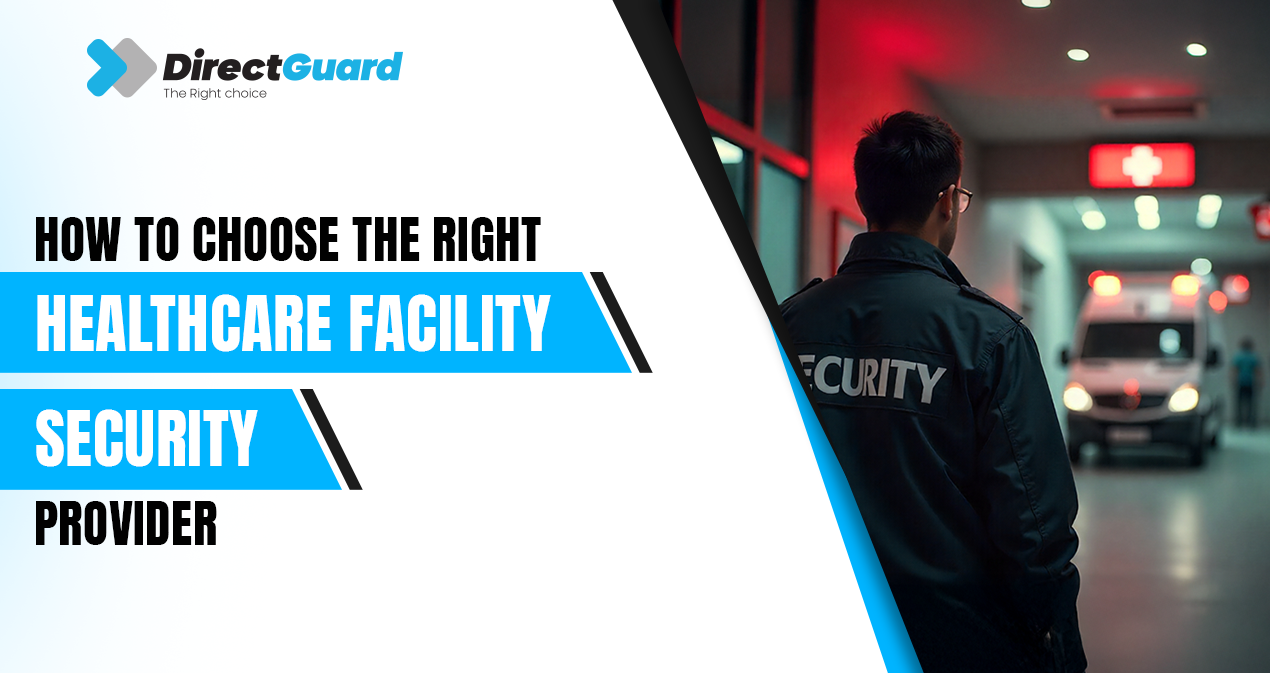
How To Choose The Right Healthcare Facility Security Provider

Healthcare facilities are more than just medical centers; they are safe havens for patients, staff, and visitors. In an environment where sensitive data, expensive equipment, and vulnerable patients exist, having strong security measures is critical. That’s why choosing the right healthcare facility security provider is one of the most important decisions an administrator can make. A well-trained security team not only deters potential threats but also creates a reassuring environment for everyone on the premises.

Importance of Healthcare Facility Security

Unlike other industries, healthcare facilities operate around the clock and face unique challenges. These include managing unauthorized access, protecting pharmaceuticals, and maintaining patient privacy. In addition, healthcare staff often deal with stressful situations, which sometimes escalate into conflicts. A trusted security provider ensures that these challenges are handled professionally. By investing in specialized healthcare facility security, administrators can maintain order and safeguard the integrity of their institution.

Evaluate Experience in Healthcare Settings

When selecting a security provider, experience in the healthcare sector should be a top priority. Security in a hospital or clinic is very different from guarding a retail store or office building. Experienced providers understand how to balance firm safety measures with compassion toward patients and visitors. They are familiar with regulations like HIPAA and know how to manage sensitive areas such as pharmacies and emergency rooms. Choosing a provider with proven healthcare expertise ensures the team will be prepared for real-world challenges.

Consider Training and Certifications

Security officers working in healthcare must be highly trained. From handling aggressive behavior to assisting during medical emergencies, they need skills beyond traditional guarding. A reputable healthcare facility security provider invests in advanced training such as de-escalation techniques, CPR, first aid, and emergency response. Certifications demonstrate their commitment to professionalism. When evaluating providers, always ask about their training programs and verify that officers are qualified to operate in a medical environment.

Assess Technology and Innovation

Modern security is no longer limited to manpower alone. Technology plays a vital role in keeping healthcare facilities safe. Surveillance systems, access control, alarm monitoring, and visitor management tools all enhance protection. A forward-thinking provider combines human expertise with innovative tools to create a seamless security strategy. By working with a company like Direct Guard Services, administrators can integrate both advanced technology and skilled officers to cover every aspect of facility security.

Verify Licensing and Compliance

Healthcare facilities are bound by strict legal and regulatory standards. Therefore, any security provider must hold valid licenses and comply with state and federal laws. A licensed provider demonstrates credibility and adherence to professional standards. Beyond basic licensing, look for compliance with healthcare-specific regulations. This ensures that the provider can operate responsibly without exposing your facility to liability risks. Proper compliance also shows a commitment to ethical and lawful operations.

Focus on Customization and Flexibility

Every healthcare facility is different, and so are its security needs. A large hospital may require extensive patrol coverage, while a small clinic may focus on access control and patient protection. The best healthcare facility security providers offer customized solutions instead of one-size-fits-all packages. They take time to evaluate the unique risks of your facility and create a plan tailored to your requirements. Flexibility is essential because healthcare environments can change rapidly, requiring quick adjustments to the security plan.

Check Reputation and References

A provider’s reputation speaks volumes about their reliability. Before signing a contract, take time to research the company’s background. Read reviews, request references, and ask about their history of serving healthcare clients. Speaking with other administrators who have worked with the provider can give you valuable insights. A company like Direct Guard Services, with a track record of professionalism and excellence, can offer the peace of mind that your facility is in good hands.

Evaluate Communication and Responsiveness

In healthcare, emergencies can happen at any moment, and response time is critical. A reliable security provider maintains open communication channels and responds quickly to concerns. During your evaluation, consider how the company communicates with clients and handles incidents. Do they provide regular reports? Are they available 24/7? Effective communication ensures that administrators remain informed and staff feel supported during emergencies. Responsiveness should be a deciding factor when selecting your security partner.

Balance Cost with Quality

While budget is always a concern, choosing the cheapest provider can backfire in the long run. Inadequate security exposes facilities to risks such as theft, data breaches, and liability issues. Instead of focusing solely on price, evaluate the value a provider brings. Quality services may cost more upfront, but they save money by preventing costly incidents. By working with a trusted company like Direct Guard Services, healthcare facilities gain reliable protection without compromising on safety.

Final Thoughts

Choosing the right healthcare facility security provider is about more than ticking boxes—it’s about protecting lives and maintaining trust. The ideal provider should combine experience, training, technology, and compassion to create a safe environment for patients and staff. By carefully evaluating your options and prioritizing quality, you can ensure your facility remains secure and welcoming. With the support of trusted professionals like Direct Guard Services, healthcare administrators can focus on delivering excellent care while knowing their security is in expert hands.