Home Owners Association Security: Protecting Your Community

When it comes to maintaining a peaceful and secure living environment, homeowners’ associations (HOAs) play a crucial role. Whether in suburban neighborhoods or urban developments, the safety of a community is often a top priority. A key aspect of achieving this goal is Home Owners Association security. As an HOA leader or member, ensuring the protection of residents and property should be of utmost importance. With the increasing need for reliable security solutions, partnering with professional security services like Direct Guard Services can significantly enhance your community’s safety.

This blog post will explore the importance of HOA security, the various security measures available, and how working with a trusted security provider can elevate the safety standards within your community.

The Role of an HOA in Community Security

A homeowners association is responsible for managing and overseeing the common areas and properties within a residential community. This includes tasks such as landscaping, maintaining public spaces, enforcing community rules, and ensuring the overall safety of residents. While many HOAs focus on property aesthetics, their role in security cannot be overstated. In fact, providing safety and security is one of the most critical functions of any HOA.

An HOA is charged with keeping the community safe from crime, preventing accidents, and responding to potential security threats in a timely manner. This may involve anything from controlling access to gated areas and managing surveillance systems to employing security guards who patrol the property.

Why HOA Security Matters

Ensuring a secure environment for residents is not just a moral obligation but also a practical necessity. A secure neighborhood offers peace of mind to homeowners, which ultimately increases property values and fosters a strong sense of community. Here are several reasons why HOA security is crucial:

1. Crime Prevention

One of the most important reasons for HOA security is to reduce and prevent crime. Neighborhoods with visible security measures, such as security patrols, cameras, and access control systems, are much less likely to be targeted by criminals. Whether it’s petty theft or more serious crimes like burglary or vandalism, the presence of security deters potential offenders.

2. Emergency Response

In the event of an emergency, whether it’s a fire, medical situation, or a criminal incident, having an effective security system in place is vital. Security personnel can respond quickly to alert authorities, assist in evacuations, or manage any immediate threats. A swift response can save lives and minimize property damage.

3. Peace of Mind

Living in a community where residents feel safe and secure leads to a higher quality of life. The knowledge that professionals are monitoring the property and enforcing security protocols helps reduce stress and anxiety for homeowners. Whether at home or away, homeowners can relax knowing their property is being protected.

4. Community Engagement

HOA security programs often involve more than just the presence of guards or cameras. They can also foster a greater sense of community involvement. Residents may work together to report suspicious activities, attend community meetings focused on safety, or even take part in neighborhood watch programs. When people are engaged in their community’s safety efforts, the overall security of the neighborhood improves.

Key Security Measures for Your HOA

There are several ways an HOA can enhance security for its community. Each of these measures can be tailored to meet the specific needs of your neighborhood. Below are some of the most common and effective security measures for homeowners associations:

1. 24/7 Security Patrols

Security patrols are one of the most effective deterrents against crime in an HOA community. Security officers can perform regular rounds, checking for any signs of suspicious activity, preventing unauthorized access, and ensuring that the community is safe at all times. Whether in vehicles or on foot, security patrols provide constant visibility, which is key to maintaining order and preventing criminal behavior.

2. Surveillance Cameras

CCTV cameras are invaluable when it comes to monitoring community areas. Placing cameras at key locations such as entrances, parking lots, and around common areas like pools or clubhouses can help capture important footage in the event of an incident. Additionally, the presence of cameras can deter potential criminals from targeting the area, knowing they are being watched.

3. Access Control Systems

Access control systems help regulate who enters and exits a community. For gated communities, this may involve security gates, keycards, or intercom systems. In non-gated neighborhoods, access control can include monitoring visitors to common areas or providing residents with secure entry systems to their own homes. These systems prevent unauthorized individuals from entering the property, significantly reducing the risk of theft or intrusion.

4. Lighting and Signage

Proper lighting in common areas and along walkways not only enhances the aesthetics of a neighborhood but also improves safety. Well-lit areas reduce the chances of crimes such as theft or assault. Additionally, clear signage that indicates the presence of security patrols or cameras can act as a deterrent for criminals.

5. Community Watch Programs

An active neighborhood watch program can strengthen security by involving residents directly. Encouraging residents to report suspicious activities and engage in neighborhood safety initiatives helps create a culture of vigilance. Community members who are proactive in keeping an eye out for each other contribute to the overall well-being of the neighborhood.

Choosing the Right Security Partner

When selecting a security service for your HOA, it’s essential to partner with a professional and experienced provider like Direct Guard Services. Look for a company that understands the unique needs of your community and offers tailored security solutions. Here are a few factors to consider when choosing a security partner:

  • Experience: Ensure the security company has a proven track record in providing HOA security services.
  • Custom Solutions: Choose a provider that offers flexible and customizable security plans tailored to your community’s needs.
  • Professional Staff: The security team should be highly trained, professional, and able to respond quickly to any situation.
  • Technology: Look for companies that use the latest security technology, including surveillance systems, access control, and real-time monitoring.

Conclusion

As an HOA, it’s essential to prioritize the safety and well-being of residents by implementing effective security measures. By working with professional security providers, your community can benefit from a wide range of services designed to prevent crime, provide emergency response, and ensure peace of mind for all homeowners. Whether through patrols, surveillance, or access control systems, investing in Home Owners Association security is an investment in the future and stability of your neighborhood.

If you’re ready to enhance the security of your community, reach out to Direct Guard Services today. Let us help you create a safer, more secure environment for your residents and their families.

Improving Educational Institute Security: Challenges & Solutions

Educational institutions are vital hubs for learning, personal growth, and community development. However, in today’s world, they also face various threats that put the safety and well-being of students, faculty, and staff at risk. From physical threats to cybersecurity breaches, the responsibility of securing educational campuses has never been more critical. Ensuring robust security in educational institutions requires overcoming multiple challenges and implementing effective solutions. This article dives into the common obstacles faced in educational institute security and offers practical solutions to address them.

The Growing Need for Educational Institute Security

Educational institutes, ranging from primary schools to universities, are increasingly becoming targets for various types of security breaches. The rise in violence, school shootings, cyberattacks, and theft has made securing these campuses a top priority for administrators. The growing need for safety measures is evident, as incidents can lead to tragic outcomes, physical harm, psychological trauma, and damage to the institution’s reputation.

Key Challenges in Educational Institute Security

  1. Limited Resources
    One of the primary challenges in educational institute security is the limited budget allocated to security measures. Many schools, particularly in underfunded areas, face financial constraints that hinder their ability to hire professional security personnel, install surveillance systems, or upgrade their infrastructure. The lack of resources often results in a reliance on outdated security systems or the absence of security personnel altogether.

  2. Balancing Safety with Freedom
    Educational environments are designed to promote free expression, creativity, and open discussion. However, the implementation of strict security measures can sometimes clash with these core values. For instance, the introduction of metal detectors or surveillance cameras may make students and faculty feel like they are being constantly watched or monitored, which can negatively impact the open atmosphere of learning. Striking a balance between maintaining security and preserving the institution’s culture of openness is a constant challenge.

  3. Cybersecurity Threats
    In the digital age, cybersecurity has become an essential aspect of overall security. Educational institutions often house sensitive student data, academic records, and research information that are prime targets for hackers. Cyberattacks such as phishing, ransomware, and data breaches are increasingly common, putting both personal and institutional data at risk. Furthermore, many educational institutions lack the cybersecurity expertise and infrastructure to deal with these threats effectively.

  4. Physical Security
    Physical security remains a top concern, especially for larger campuses. Incidents like school shootings, bullying, theft, and vandalism create an environment of fear and insecurity among students and staff. Ensuring that the campus is properly monitored and that only authorized individuals can access certain areas is crucial. However, securing vast campuses with multiple entry points can be challenging.

  5. Lack of Training and Preparedness
    Even if an institution has invested in security measures, there may still be a lack of training and preparedness. Teachers, staff, and students may not know how to react in the event of an emergency, such as an active shooter situation or a natural disaster. Ensuring that everyone is adequately trained to respond to emergencies can be one of the most overlooked yet critical aspects of school security.

Solutions to Overcome Security Challenges in Educational Institutes

  1. Investing in Technology
    Advancements in technology can significantly improve security in educational institutions. Installing surveillance cameras, access control systems, and alarm systems can provide a safer environment. Schools should implement technologies like AI-driven cameras that can detect suspicious behavior and alert security personnel in real-time. Smart locks and keyless entry systems can limit access to restricted areas, ensuring that only authorized personnel can enter certain locations.

  2. Improving Physical Security Infrastructure
    Improving the physical infrastructure of campuses is essential in securing educational institutes. Installing fences, security gates, and reinforced entry points can help prevent unauthorized access. Schools should also ensure that there is adequate lighting around the campus, particularly in secluded areas, to deter criminal activity. On larger campuses, it may be beneficial to employ security personnel who can conduct regular patrols, respond to emergencies, and act as visible deterrents to potential threats.

  3. Adopting a Comprehensive Cybersecurity Strategy
    Educational institutions must invest in strong cybersecurity practices to protect sensitive data and systems. This includes implementing firewalls, encryption software, and multi-factor authentication for systems that house student and faculty information. Furthermore, training staff and students on cybersecurity best practices, such as recognizing phishing attempts and using strong passwords, can help prevent many common attacks. Regular cybersecurity audits and assessments can ensure that the institution’s systems are up to date and resilient against cyber threats.

  4. Comprehensive Emergency Preparedness and Training
    Institutions must have a clear and detailed emergency response plan in place. This plan should include responses to active shooter situations, natural disasters, fires, and other emergencies. Schools should hold regular drills and training sessions for faculty, staff, and students to ensure that everyone knows what to do in the event of a crisis. Additionally, creating a dedicated crisis management team with roles and responsibilities outlined can improve the institution’s ability to respond quickly and effectively.

  5. Implementing Threat Assessment Programs
    Threat assessment programs can be invaluable in identifying potential risks before they escalate. These programs focus on identifying warning signs of violent behavior or threats to the institution’s safety. By conducting regular threat assessments, educational institutions can proactively address concerns and intervene before a situation turns violent. A multidisciplinary team consisting of counselors, security professionals, and administrators can collaborate to assess and mitigate potential threats.

  6. Partnering with Professional Security Services
    Hiring professional security services can greatly enhance an educational institute’s ability to respond to security threats. Direct Guard Services, for instance, provides specialized security personnel who are trained to handle emergencies, monitor surveillance systems, and ensure the safety of students and staff. Outsourcing security services can help alleviate the burden on school administrators while ensuring that security professionals are equipped with the necessary tools and training.

  7. Promoting a Positive School Culture
    A positive school culture that fosters respect, inclusivity, and communication is essential in preventing violence and improving overall security. Programs that focus on anti-bullying, conflict resolution, and mental health support can help reduce the likelihood of incidents that require emergency intervention. When students feel supported, understood, and safe, they are less likely to engage in disruptive or violent behavior.

Conclusion

The challenges of improving educational institute security are multifaceted, requiring a balanced approach that addresses both physical and digital threats. However, by leveraging technology, enhancing infrastructure, providing proper training, and partnering with professional security services, institutions can significantly improve their security measures. The goal is to create an environment where students, faculty, and staff feel safe, supported, and focused on learning. While the task may seem daunting, investing in security is a critical step in ensuring that educational institutions remain a safe haven for personal and academic growth.

By taking proactive measures and prioritizing safety, educational institutions can mitigate risks, prevent incidents, and foster an atmosphere where education can thrive without the constant threat of violence or insecurity.

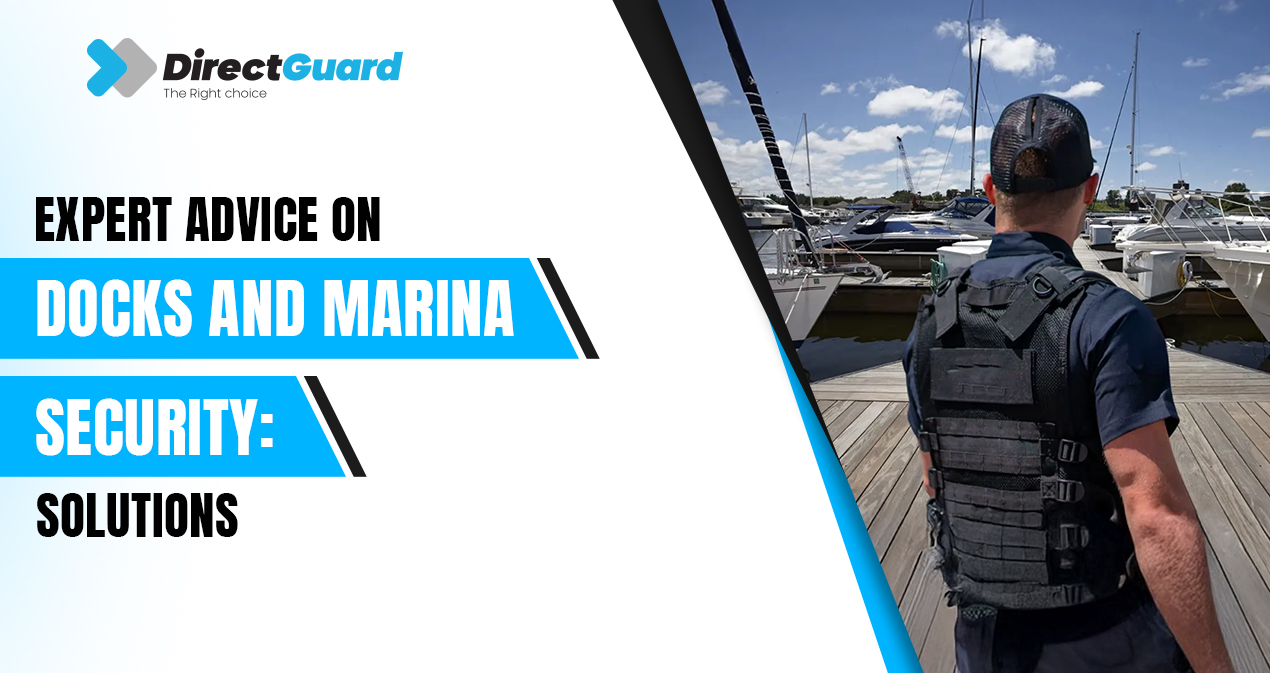
Expert Advice on Docks and Marina Security Solutions

When it comes to securing your marina or dock, a robust security plan is vital for the protection of both assets and people. Whether you’re managing a public marina, a private dock, or a luxury yacht club, the unique nature of waterfront properties presents specific security challenges. In this post, we’ll explore expert advice on docks and marina security solutions that can help ensure safety, prevent theft, and maintain peace of mind for all who use these facilities.

Why Docks and Marinas Need Specialized Security

Marinas and docks are naturally more vulnerable than land-based properties because of their open environment, remote location, and easy access for watercraft. They also house valuable assets like boats, luxury yachts, equipment, and sometimes even personal belongings. A security breach at a marina not only jeopardizes physical assets but can also cause significant financial damage and harm a marina’s reputation.

Additionally, many marinas are located in areas that are less frequently patrolled by law enforcement, increasing the need for private security solutions. With the number of boats and watercraft increasing, marinas are often prime targets for theft and vandalism. This makes investing in security measures crucial for ensuring the safety of both property and individuals.

Key Threats to Docks and Marinas

Understanding the threats is the first step in creating a solid security strategy. The following are some common risks to marinas and docks:

  1. Theft of Boats and Equipment
    Marina’s house has expensive assets, such as boats, yachts, and fishing equipment, making them prime targets for theft. Criminals often see these items as easy to steal, especially in the absence of security monitoring systems or active personnel.
  2. Vandalism
    Whether it’s graffiti, damaged equipment, or deliberate destruction, vandalism can quickly escalate if not properly managed. It can also lead to costly repairs, affecting the reputation of the marina.
  3. Unauthorized Access
    Docks and marinas are sometimes accessible to the public, and unauthorized access is a common problem. This not only increases the risk of theft but can also create safety hazards for boaters and marina staff.
  4. Environmental Damage
    Harsh weather conditions like storms or high tides can damage boats or docks, but the risk of environmental damage can be reduced through preventative security measures such as surveillance and immediate alerts when hazardous weather is detected.
  5. Personnel Safety
    The safety of marina employees, boaters, and visitors is paramount. Given the maritime environment, physical accidents are common, so security should also be about ensuring the physical wellbeing of those at the dock.

Effective Docks and Marina Security Solutions

  1. Surveillance Systems
    One of the most effective ways to secure a marina is by installing a modern surveillance system. High-definition cameras with night vision capabilities can provide 24/7 coverage of all areas of the marina. Cameras can be placed strategically on docks, entry points, parking lots, and other vulnerable areas. Additionally, the use of remote monitoring systems allows security personnel to track activities in real-time.
  2. Access Control Systems
    Installing access control systems at entrances to the marina is crucial in preventing unauthorized access. Solutions like key cards, biometric scans, or PIN codes can ensure that only authorized personnel or boat owners can access the dock areas. This is particularly beneficial for private or members-only marinas, as it limits access to those who have a legitimate need to be there.
  3. Lighting and Perimeter Fencing
    A well-lit marina is a key deterrent for criminal activity. Security lighting should cover the entire property, especially areas that are less visible at night. Motion-sensor lights can be installed at entry points and in areas that may be secluded, making it more difficult for trespassers to hide or operate undetected.

Fencing or barriers are also essential to control access and to discourage unauthorized individuals from entering. Installing tall, secure fencing around the perimeter of the marina, coupled with gates that are regularly monitored, can significantly reduce the chance of intruders.

  1. Security Patrols and On-Site Guards
    Having professional security personnel onsite adds an additional layer of protection. Security guards can patrol the grounds, ensuring that the marina remains secure and taking immediate action if they notice suspicious activity. They also act as a deterrent for potential criminals, as the visible presence of security personnel makes it less likely that unlawful behavior will occur.
  2. Alarm Systems
    Alarm systems play an essential role in securing a marina, particularly in areas where large assets like yachts are stored. The integration of motion sensors, door/window sensors, and panic buttons can alert security personnel or local law enforcement immediately in case of a break-in or suspicious activity. Additionally, sirens and flashing lights can be activated to frighten off intruders.
  3. Drone Surveillance
    For larger marinas, drone surveillance is an innovative and highly effective security solution. Drones can cover large areas quickly, monitoring for any suspicious activity, and can even be equipped with thermal cameras to detect unauthorized individuals in hidden areas or at night. This aerial approach provides a comprehensive overview of the marina that ground-based security measures alone cannot achieve.
  4. Boat Tracking and GPS Monitoring
    For marinas that host boats, having tracking and GPS monitoring systems installed on the vessels can be invaluable in the event of theft. Many modern boats are equipped with GPS tracking, which allows owners or marina staff to track their location in real-time. If a boat goes missing, the tracking system can provide critical information that can aid in its recovery.
  5. Emergency Communication Systems
    Given that marinas can be large and spread out over vast areas, having an effective communication system is essential. Two-way radios or intercom systems allow security personnel to stay in contact, making it easier to coordinate a response to any threats or emergencies.
  6. Environmental Sensors
    Marinas that are in areas prone to weather-related events can benefit from environmental sensors. These sensors can detect extreme weather conditions like high winds, rising tides, or flooding, and send alerts to both security teams and boat owners to take necessary actions before damage occurs.

Best Practices for Docks and Marina Security

While implementing the aforementioned solutions is important, it’s also crucial to maintain a proactive security culture. Here are some best practices:

  • Regular Security Audits: Regularly assess your security measures to ensure they are effective and up-to-date. This may include upgrading surveillance systems, enhancing lighting, or reviewing access control protocols.
  • Employee Training: Ensure that all staff members are trained in security protocols. This includes recognizing suspicious behavior, knowing emergency procedures, and understanding how to use security technology.
  • Community Engagement: Involve your marina community in security efforts. Encourage boat owners to lock their boats when not in use and report any suspicious activity. A community-focused approach can help create a culture of vigilance.
  • Maintenance of Equipment: Ensure that all security equipment, from cameras to alarms, is in working order at all times. Regular checks and maintenance will ensure that the systems remain effective when you need them most.

Conclusion

The security of docks and marinas requires a combination of strategic planning, the right technology, and effective personnel. By implementing a multi-layered security solution tailored to the unique needs of your marina or dock, you can minimize risks and provide a safe environment for all who use it. From surveillance systems to access control and GPS tracking, there are various ways to ensure that your marina remains secure. Partnering with a trusted security provider like Direct Guard Services can give you peace of mind, knowing that experts are overseeing the protection of your property.

Stay vigilant, stay secure, and remember, your marina’s safety is paramount to maintaining its reputation and functionality.