

Introduction
Most business owners think of security as just another cost on the balance sheet. Something to “handle later” or reduce when budgets get tight.
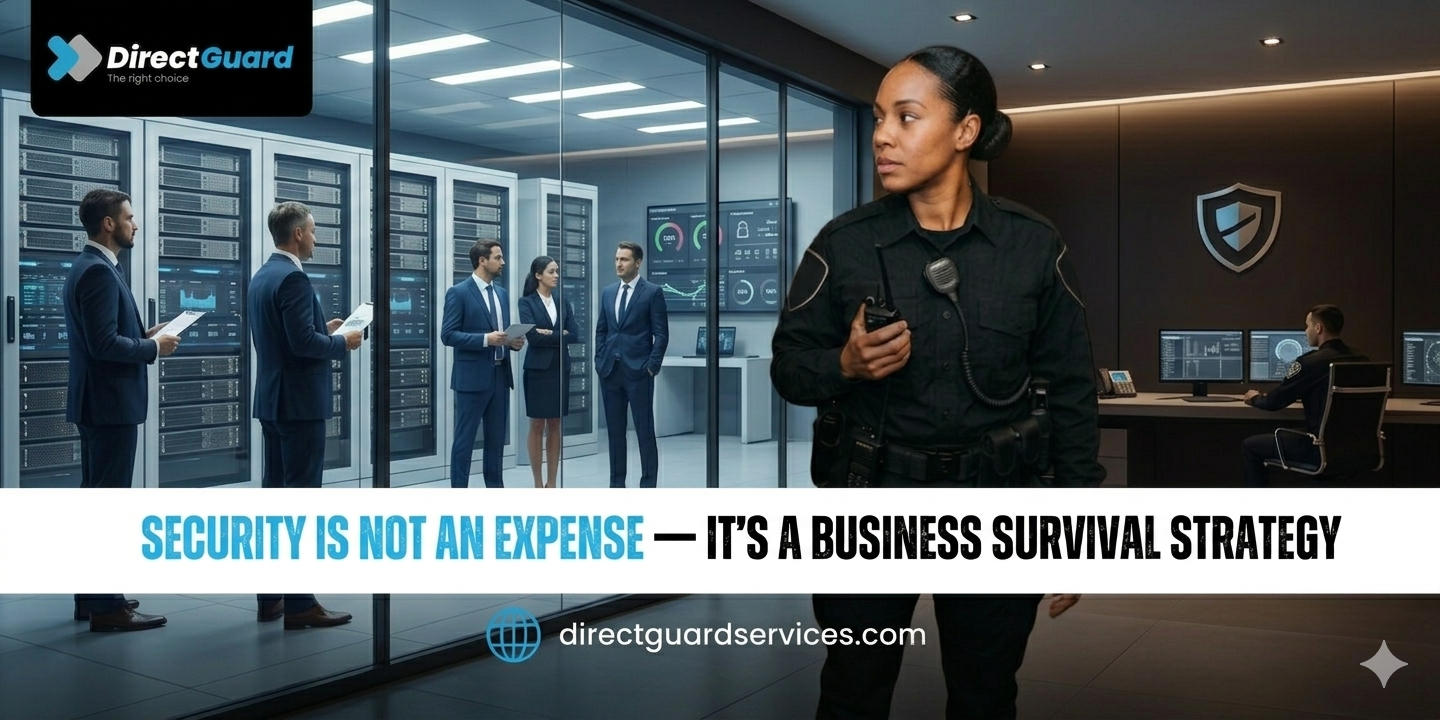
But here’s the truth: a strong business security strategy is not an expense — it’s what keeps your business alive.
From theft and vandalism to liability risks and safety threats, businesses today face more challenges than ever before. Without proper protection, one incident can cost thousands—or even shut operations down completely.
In this blog, we’ll break down why investing in a business security strategy is one of the smartest decisions you can make.
The Real Cost of Ignoring Security
Many businesses underestimate how expensive not having security can be.
Here’s what you risk without a proper business security strategy:
- Financial Losses: Theft, property damage, and fraud
- Operational Downtime: Business interruptions due to incidents
- Legal Liability: Lawsuits due to negligence or unsafe environments
- Reputation Damage: Loss of customer trust
- Employee Safety Risks: Unsafe workplaces reduce productivity and morale
One security breach can cost far more than years of professional security services.
What Is a Business Security Strategy?
A business security strategy is a complete plan designed to protect your:
- Property
- Employees
- Customers
- Assets
- Daily operations
It combines:
- Physical security (guards, patrols)
- Surveillance systems
- Risk assessment
- Emergency response planning
Instead of reacting to problems, it helps you prevent them before they happen.
Why Security Is a Business Survival Strategy
1. Prevention Is Always Cheaper Than Recovery
Recovering from an incident is expensive and time-consuming.
With a solid business security strategy:
- Risks are identified early
- Threats are reduced before escalation
- Losses are minimized or completely avoided
Prevention saves money, time, and stress.
2. Protecting Revenue and Assets
Your business relies on:
- Equipment
- Inventory
- Infrastructure
Without proper security:
- Theft can disrupt operations
- Damage can delay projects
- Losses directly impact profits
Professional security ensures your assets are protected 24/7.
3. Enhancing Employee Safety and Productivity
Employees perform better when they feel safe.
A strong business security strategy:
- Reduces workplace incidents
- Builds confidence among staff
- Improves overall productivity
Safe environments lead to better performance and lower turnover.
4. Building Customer Trust
Customers notice security.
Whether it’s a retail store, office building, or event:
- Visible security creates confidence
- Customers feel protected
- Businesses appear more professional
Trust leads to repeat business and long-term growth.
5. Avoiding Legal and Compliance Issues
Many industries require security measures to meet regulations.
Without proper protection:
- You may face fines
- You risk lawsuits
- You can lose operating licenses
A proper business security strategy helps ensure:
- Compliance with safety standards
- Reduced legal risks
- Smooth operations
Industries That Need Strong Security the Most
Every business benefits from security, but some industries face higher risks:
Commercial Buildings
- Unauthorized access
- Property damage
- Employee safety concerns
Construction Sites
- Equipment theft
- Vandalism
- Trespassing
Retail Stores
- Shoplifting
- Organized retail crime
- Inventory loss
Warehouses
- High-value goods storage
- Internal theft risks
Events and Public Spaces
- Crowd control
- Emergency situations
- Safety management
Each industry requires a tailored business security strategy.
Key Components of an Effective Business Security Strategy
To truly protect your business, your security plan should include:
1. Professional Security Guards
- On-site presence deters crime
- Quick response to incidents
- Monitoring of suspicious activity
2. Risk Assessment
- Identifying weak points
- Evaluating threats
- Creating prevention plans
3. Surveillance Systems
- CCTV monitoring
- Real-time tracking
- Evidence collection
4. Access Control
- Restricted entry points
- Visitor management
- Employee access systems
5. Emergency Response Planning
- Fire incidents
- Security breaches
- Evacuation procedures
Real-World Scenario: One Incident Can Change Everything
Imagine this:
A business skips security to save money.
One night:
- Equipment gets stolen
- Property is damaged
- Operations stop for days
The result:
- Thousands in losses
- Missed deadlines
- Lost clients
This is exactly why a business security strategy is not optional—it’s essential.
Security as a Long-Term Investment
Security doesn’t just protect—it adds value.
With a proper business security strategy:
- Insurance costs may decrease
- Business risks are minimized
- Operations become more stable
- Growth becomes easier
Smart businesses treat security as an investment, not an expense.
Final Thoughts
At the end of the day, security is not about spending money—it’s about protecting everything you’ve worked hard to build.
A strong business security strategy ensures:
- Stability
- Safety
- Long-term success
Because when security fails, businesses don’t just lose money—they risk losing everything.