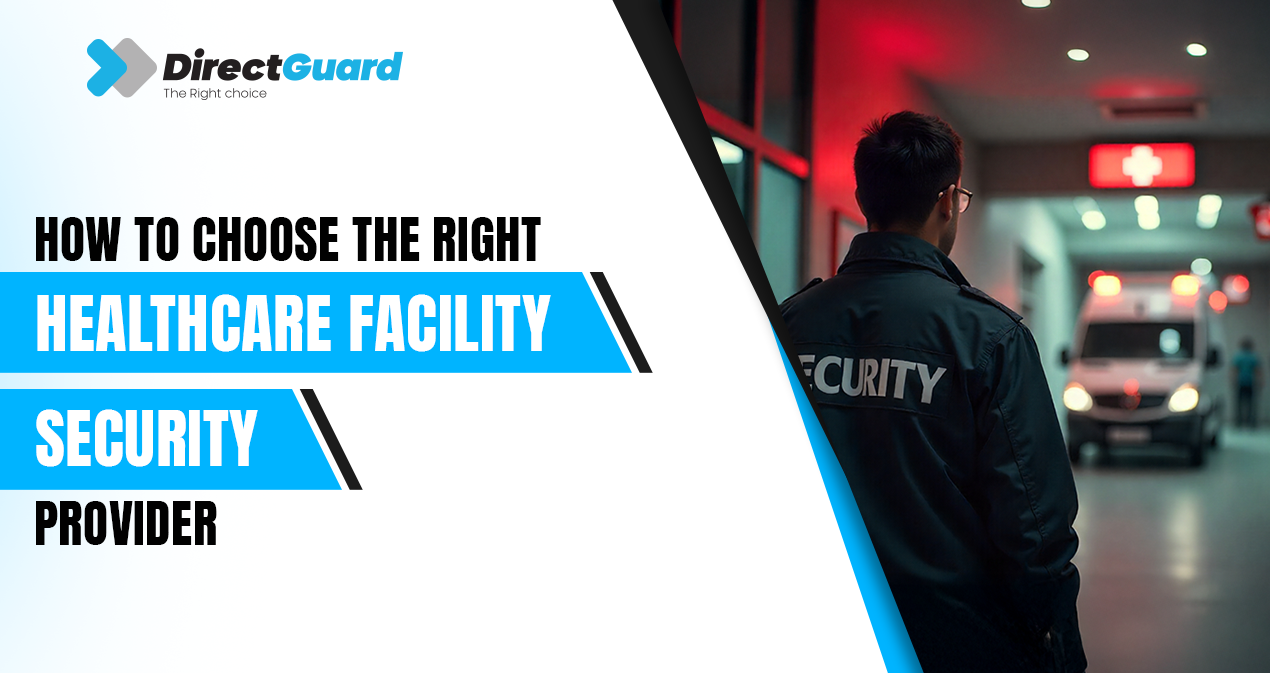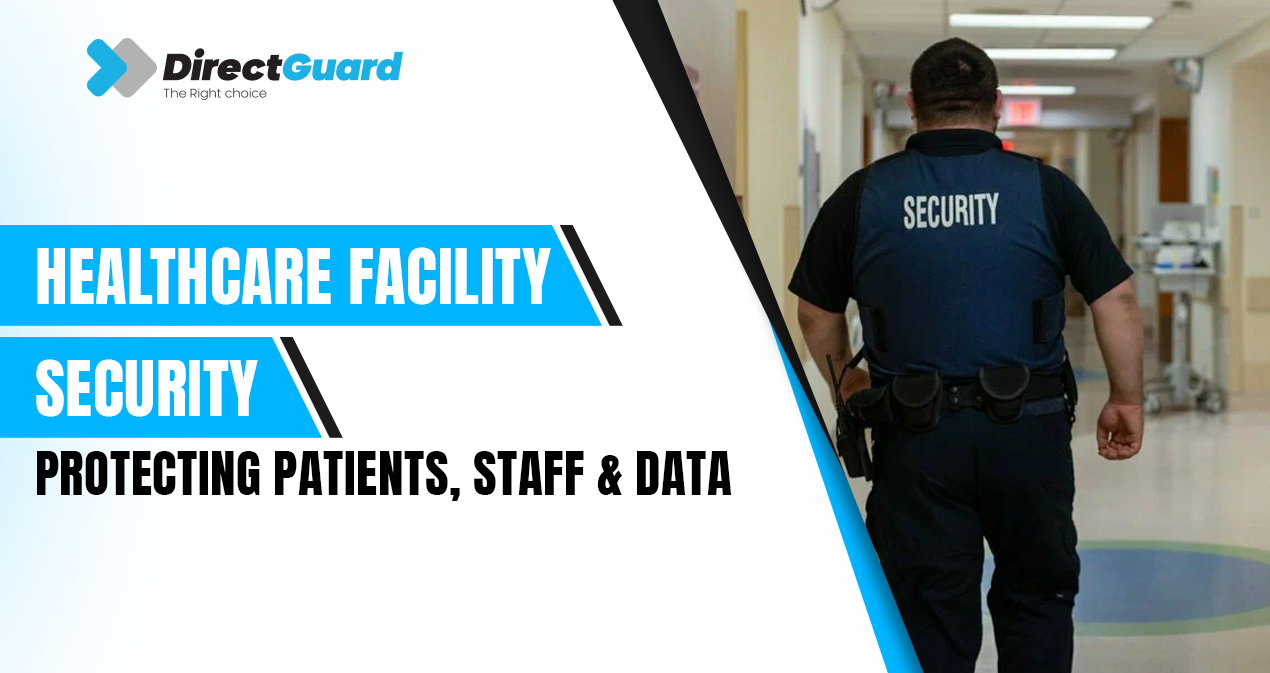
In today’s rapidly evolving healthcare landscape, healthcare facility security has become more than just a matter of locking doors and hiring guards. As hospitals, clinics, and medical centers face increasing threats ranging from physical violence to cyberattacks, ensuring the safety of patients, staff, and sensitive data has become paramount.
At Direct Guard Services, we understand the unique challenges faced by healthcare facilities and offer customized security solutions that protect every aspect of your operation. In this article, we’ll explore why comprehensive healthcare facility security is essential, the major risks involved, and the strategies that can help safeguard your people, premises, and information.
The Growing Need For Healthcare Facility Security
Healthcare environments are open, fast-paced, and emotionally charged—conditions that can make them vulnerable to various security threats. From aggressive patients and unauthorized intrusions to data breaches and theft, the stakes are high.
According to the U.S. Department of Health and Human Services, data breaches in the healthcare sector have surged dramatically in recent years. Meanwhile, physical violence against healthcare workers is also on the rise, highlighting the need for integrated security measures that combine both physical and digital protection.
Key Threats Facing Healthcare Facilities
- Physical Violence and Assaults
Medical staff, particularly nurses and emergency room personnel, face a high risk of workplace violence. Patients under emotional stress or suffering from mental health issues can become aggressive, making trained security personnel a necessary presence. - Theft and Vandalism
Expensive medical equipment and pharmaceutical supplies are attractive targets for theft. Vandals and trespassers can cause damage, disrupt operations, and pose safety risks to staff and patients. - Unauthorized Access
Sensitive areas such as pharmacies, records rooms, and patient wards must be protected against unauthorized personnel. Poor access control can result in breaches of both safety and confidentiality. - Cybersecurity Breaches
With the digitalization of patient records, healthcare institutions are prime targets for hackers. A data breach can compromise patient privacy, violate HIPAA regulations, and lead to costly legal repercussions.
Core Components of An Effective Healthcare Facility Security Plan
1. Trained Security Personnel
Having professional, on-site security guards trained specifically in healthcare environments is the first line of defense. At Direct Guard Services, our officers are equipped with the skills to de-escalate conflicts, handle emergencies, and provide a calming presence to both staff and patients.
2. Access Control Systems
Implementing keycard entry, biometric scanners, and visitor management systems can prevent unauthorized access to restricted areas. These tools also allow facility managers to track who enters and exits specific zones.
3. Surveillance and Monitoring
High-definition CCTV cameras installed throughout the facility enable 24/7 monitoring. Integrating these with real-time alerts and motion detection provides an added layer of protection and rapid response capabilities.
4. Cybersecurity Protocols
Data protection is just as important as physical security. Partner with IT experts to install firewalls, encryption tools, and multi-factor authentication systems. Regular audits and employee training are essential to prevent phishing and other cyber threats.
5. Emergency Response Planning
Every healthcare facility should have a detailed emergency response plan that includes evacuation procedures, lockdown protocols, and active shooter drills. Training staff on these procedures is critical to minimizing harm during unexpected events.
Why Choose Direct Guard Services?
Direct Guard Services is a leader in professional security services with a dedicated focus on healthcare facilities. We offer tailored security plans that meet your specific needs—whether it’s a large hospital, an outpatient clinic, or a specialized medical center.
Our Services Include:
- 24/7 Security Guard Services: Uniformed officers trained in healthcare-specific protocols.
- Access Control Solutions: Installation and management of high-tech access systems.
- Mobile Patrol Units: Ideal for large campuses or multi-building facilities.
- Security Audits & Risk Assessments: We identify vulnerabilities and recommend improvements.
- Emergency Response Coordination: Ensuring seamless collaboration with law enforcement and internal staff.
Our guards are trained not just to deter threats but to be a helpful part of the healthcare environment—supporting staff, guiding patients, and maintaining a peaceful, safe atmosphere.
Security Tips For Healthcare Administrators
If you’re responsible for managing or improving security in a healthcare facility, here are some actionable tips:
- Conduct Regular Security Audits: Assess physical and digital vulnerabilities regularly.
- Educate Staff: Training all employees on recognizing suspicious behavior and understanding emergency protocols can be a game-changer.
- Upgrade Old Systems: Outdated surveillance or access control systems can be easily bypassed.
- Engage Patients and Visitors: Clear signage, identification badges, and courteous checkpoints go a long way in maintaining safety without disrupting the care experience.
- Stay HIPAA-Compliant: Security efforts must also align with patient privacy laws to avoid regulatory violations.
The Future of Healthcare Facility Security
As technology continues to evolve, so too must the security strategies that protect healthcare facilities. The future points toward integrated systems that blend AI-powered surveillance, advanced data encryption, and predictive analytics to anticipate and respond to threats before they occur.
With rising incidents of workplace violence and data theft, healthcare institutions can no longer afford to treat security as an afterthought. It’s time to take a proactive, holistic approach that includes both physical and cyber defenses.
Conclusion
Healthcare facility security is not just about preventing crime—it’s about fostering a safe, secure environment where healing can take place. Patients must feel safe in your care. Staff must feel confident that they can perform their duties without fear. And sensitive data must remain protected to uphold trust and legal compliance.
At Direct Guard Services, we are committed to helping you achieve this level of safety through reliable, professional security solutions tailored to the unique demands of the healthcare industry.
If you’re ready to upgrade your facility’s security, contact Direct Guard Services today for a free consultation and security assessment. Your people and your data are worth protecting.