Why Club & Lounge Security is Critical for Business

In today’s fast-paced, vibrant nightlife scene, clubs and lounges are essential gathering spots for socializing, networking, and entertainment. Whether you’re running a trendy lounge, a high-end club, or a casual pub, the safety of your guests and employees and the reputation of your business should always be a top priority. With growing concerns about security threats, property damage, and the safety of patrons, club & lounge security has become more crucial than ever before.

Investing in robust security measures isn’t just about preventing criminal activity; it’s also about ensuring a welcoming, safe environment where people can enjoy themselves without worrying about safety risks. Let’s explore why club & lounge security is vital for business success and how it can positively impact the long-term profitability of your venue.

1. Ensuring the Safety of Your Guests

The first and foremost reason why club & lounge security is critical is that it ensures the safety of your guests. Nightclubs and lounges often attract large crowds, and with alcohol being served, tensions can sometimes rise. Without proper security, fights, altercations, and unruly behavior can escalate quickly, putting both your guests and staff at risk.

Security guards are trained to handle difficult situations, de-escalate potential conflicts, and act quickly in emergencies. They also monitor suspicious activities and make sure that guests comply with venue rules, preventing any dangerous or inappropriate behavior. In this way, having security on-site helps create a more relaxed atmosphere, where patrons can enjoy themselves without feeling anxious about potential threats.

2. Reducing Liability Risks

Every business, particularly in the hospitality and nightlife industry, faces certain liabilities. If an incident occurs on your premises—whether it’s a physical altercation, intoxicated guests causing damage, or a fire—your club or lounge could be held responsible. Legal battles and lawsuits can damage your business reputation and lead to costly fines or insurance claims.

Having well-trained security personnel can help mitigate these risks. Security staff not only monitor the premises for safety but can also be invaluable witnesses in case something goes wrong. They help document events, capture surveillance footage, and provide statements that can protect your business in the event of a legal dispute. Proper club & lounge security is an effective way to lower your overall risk exposure and help keep your business running smoothly.

3. Protecting Your Property

Your venue is a valuable asset, and its protection should be a top priority. Lounges and clubs are often equipped with expensive furniture, electronics, sound systems, and décor that can be costly to repair or replace. Whether it’s damage caused by rowdy guests or theft of high-end equipment, property loss can significantly impact your bottom line.

Security guards patrol the premises, ensuring that any unauthorized individuals don’t damage or steal equipment. They also monitor parking areas to prevent break-ins and vandalism, protecting not just your venue, but also the vehicles of your customers. By preventing property damage and theft, club & lounge security helps safeguard your investments, ensuring that your business remains profitable and operational.

4. Managing Crowds and Preventing Overcrowding

Crowd control is another essential aspect of club & lounge security. Popular venues can attract large crowds, and managing those crowds effectively is key to maintaining safety and order. Overcrowding can lead to accidents, such as stampedes, suffocation, or even fires in extreme cases. On top of that, too many people in one space can create uncomfortable conditions for guests, leading to dissatisfaction and negative reviews.

Security personnel are responsible for managing the flow of guests, ensuring that your club or lounge does not exceed its legal capacity. They can also control access to VIP areas, ensure a smooth line at the bar, and maintain general order throughout the venue. Effective crowd control ensures that guests enjoy their time without feeling cramped or unsafe, thus enhancing the overall customer experience.

5. Handling Emergency Situations

In any business, emergencies are inevitable. This is especially true in the nightlife industry, where the combination of alcohol, large crowds, and late hours can sometimes lead to unforeseen incidents. Whether it’s a fire, medical emergency, or a violent altercation, having trained security personnel on-site ensures that these situations are dealt with promptly and efficiently.

Security staff are trained in first aid, CPR, and emergency evacuation procedures. They can respond quickly to any crisis, ensuring that guests receive immediate assistance, and the situation is managed professionally. Having security personnel who can act swiftly in emergencies can make all the difference in preventing further damage or injury and ensuring that your venue remains in operation.

6. Maintaining a Positive Reputation

A key to any successful club or lounge is a solid reputation. Guests want to feel safe and comfortable in their environment, and they are unlikely to return to a venue where they felt unsafe or witnessed an unpleasant incident. On the other hand, a club known for having excellent security measures will likely attract more customers, knowing they can trust the venue to provide a safe and enjoyable experience.

Security personnel help maintain a positive atmosphere by preventing disturbances, keeping unruly guests in check, and responding to potential risks before they escalate. When guests feel secure, they’re more likely to share their positive experiences with others, boosting word-of-mouth marketing and increasing your venue’s visibility.

7. Preventing Underage Drinking and Other Illegal Activities

Many clubs and lounges cater to adult patrons, and with that comes the responsibility to follow legal drinking age restrictions and prevent illegal activities such as drug use or underage drinking. Effective club & lounge security ensures that your venue stays compliant with local laws and regulations, which helps avoid legal issues and costly fines.

Security personnel monitor for signs of underage drinking, check IDs at the door, and keep an eye out for any illegal behavior. By enforcing these rules consistently, you can avoid potential fines, keep your venue’s reputation intact, and ensure that everyone on the premises is there legally.

8. Increasing Overall Customer Satisfaction

At the end of the day, the safety and comfort of your guests are paramount. When customers feel safe, they are more likely to return, recommend your venue to others, and even leave positive reviews. By investing in top-notch club & lounge security, you’re not only protecting your business from threats, but you’re also improving the customer experience.

Guests will appreciate knowing that your venue takes security seriously, whether it’s through visible security staff, a smooth entry process, or a peaceful and controlled environment inside. This reassurance builds customer loyalty, which is crucial in a highly competitive industry.

Conclusion

The importance of club & lounge security cannot be overstated. From protecting your guests and property to ensuring legal compliance and preventing potential liability, having a reliable security team is an essential investment for any business in the nightlife industry. By providing a safe, welcoming environment, you ensure that your venue continues to thrive, attracting customers and maintaining a positive reputation in the community.

At Direct Guard Services, we specialize in providing professional and effective club & lounge security solutions tailored to your business needs. Reach out to us today to learn how we can help safeguard your venue and contribute to its long-term success.

Fire Watch Security: Preventing Fires and Protecting Assets

In an ever-evolving world, where property and assets are key to both individual and business success, ensuring their safety becomes increasingly important. Among the numerous safety protocols that businesses and property owners must consider, fire safety stands at the forefront. For buildings under construction, undergoing renovations, or facing fire alarm system issues, fire watch security provides an essential layer of protection.

At Direct Guard Services, we understand the immense value of fire watch security, which not only prevents fires but also protects both physical assets and human lives. But what exactly is fire watch security, and why is it so crucial for your business or property? Let’s dive in and explore this life-saving service and its benefits.

What Is Fire Watch Security?

Fire watch security is a service designed to prevent fires by maintaining a vigilant, round-the-clock presence at locations that are deemed vulnerable to fire hazards. The primary responsibility of a fire watch officer is to monitor specific areas of a property to identify any potential fire risks, ensure fire safety protocols are followed, and respond quickly in case of an emergency.

Fire watch security is typically deployed when fire protection systems (such as sprinklers or fire alarms) are not operational or when there is a temporary need for heightened fire safety. This can be due to construction activities, power outages, or maintenance work that interferes with the regular fire protection infrastructure.

Why Fire Watch Security Matters

Fires can have devastating consequences, from the loss of valuable assets to the potential for severe injury or even loss of life. With fire watch , you not only lower the risk of fire but also protect your assets, workforce, and reputation. Let’s break down why this service is essential:

1. Prevents Fires Before They Start

The primary function of fire watch is to act as a deterrent. Fire watch officers are trained to recognize fire hazards and act swiftly to prevent accidents before they escalate. Whether it’s an unattended hot work tool, a malfunctioning heating system, or flammable materials improperly stored, fire watch officers are equipped to spot these dangers and take corrective action.

2. Ensures Compliance with Fire Safety Regulations

In many places, fire watch is not just a good practice; it’s a legal requirement. For instance, when fire alarm systems fail or when construction or renovation projects are underway, authorities may require fire watch services as part of local fire codes. This ensures that businesses comply with regulatory requirements, avoiding legal complications, fines, and the potential suspension of business operations.

3. Protects Assets and Infrastructure

Assets are the lifeblood of any business. Whether it’s machinery, inventory, or critical documents, the damage caused by a fire can be catastrophic. With fire watch security, you can ensure that these assets are constantly monitored and protected. The presence of trained security personnel not only reduces the risk of fire but also provides peace of mind to business owners, knowing that someone is always looking out for their assets.

4. Safeguards Human Lives

Fire safety isn’t just about protecting property – it’s also about protecting people. Fire watch officers are trained to react to emergency situations and initiate evacuation procedures if necessary. Their quick response can mean the difference between life and death in the event of a fire. They also ensure that emergency exits are accessible, alarms are functional, and people know the proper escape routes in case of a fire emergency.

5. Provides 24/7 Monitoring and Response

Unlike standard fire alarm systems, which may fail or become disabled during certain conditions, fire watch security is a live, human-driven form of protection. Fire watch officers are always on-site, constantly monitoring the premises and ready to respond immediately to any threat. This round-the-clock service ensures that your property is always protected, no matter the time of day or night.

The Role of Fire Watch Officers

Fire watch officers are specially trained security personnel with a keen eye for fire hazards and safety protocols. Their duties include but are not limited to:

Constant Vigilance: Fire watch officers patrol the premises and monitor all areas for signs of fire hazards. This may include checking for potential ignition sources, ensuring that fire exits are not blocked, and verifying that all safety equipment is in working order.

Identifying Fire Hazards: They are trained to recognize fire risks, such as sparks, open flames, overheated machinery, and flammable materials improperly stored. Once a potential hazard is detected, fire watch officers can intervene and take the necessary steps to mitigate the threat.

Communication with Authorities: In the event of a fire or emergency, fire watch officers can immediately notify emergency responders. They act as a point of contact for fire departments, helping to ensure a swift and coordinated response to the incident.

Emergency Response: If a fire does occur, fire watch officers play a critical role in executing emergency plans. This includes helping to evacuate personnel, guiding them to safety, and ensuring that fire alarms are activated.

Detailed Reporting: Fire watch officers document all their activities throughout their shift, including inspections, hazard identifications, and any issues they address. This reporting provides businesses with valuable data to improve safety protocols and ensure compliance.

When Should You Consider Fire Watch Security?

There are several scenarios in which fire watch security becomes essential for ensuring the safety of your property and assets:

1. Construction and Renovation Projects

Construction and renovation sites often present unique fire risks. With welding, cutting, or other heat-generating tasks in progress, the likelihood of a fire starting increases significantly. Fire watch security is required in many cases to provide constant monitoring and prevent accidents from occurring.

2. Malfunctioning or Out-of-Service Fire Alarms

When fire protection systems, such as smoke detectors or sprinklers, are undergoing maintenance, repairs, or are simply not functioning, it’s crucial to have fire watch security on site. This ensures that even without these automated systems, your property is being actively monitored for fire hazards.

3. Flammable Materials Storage

If your business stores large amounts of flammable materials, fire watch security is highly recommended. In these environments, the risk of fire is heightened, and it’s vital to have personnel on-site who are trained to prevent and respond to fire emergencies.

4. High-Risk Areas

Certain areas, such as factories, warehouses, or oil rigs, can have a higher propensity for fire due to the type of machinery and materials in use. In these high-risk areas, fire watch security becomes indispensable for preventing fires and protecting both assets and workers.

Conclusion

Fire watch security is a crucial component of fire safety, ensuring that potential fire hazards are identified and mitigated before they lead to disaster. It helps protect valuable assets, save lives, and maintain regulatory compliance. At Direct Guard Services, we are committed to providing comprehensive fire watch security services that meet the specific needs of your property. By partnering with us, you can rest assured that your business, employees, and assets are safe, even in the most vulnerable situations.

In a world where fire-related incidents can cause irreparable damage, fire watch security provides the peace of mind and protection that every business deserves. Protect your assets, your people, and your reputation with fire watch security today.

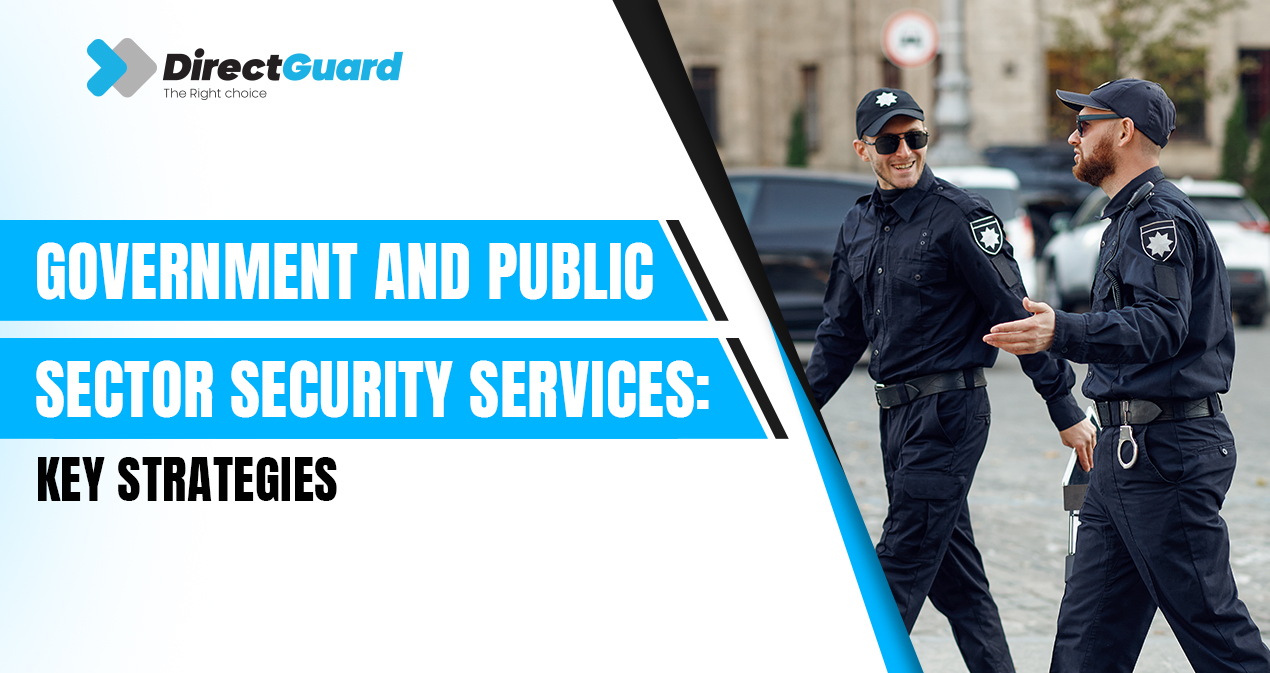
Government and Public Sector Security Services: Key Strategies

Government buildings and public sector institutions are crucial to the functionality of any nation. These institutions host sensitive information, provide essential services, and manage resources that affect millions of lives. As such, their security is of paramount importance. Effective security services within the government and public sector are not only about protecting physical assets but also safeguarding data, ensuring compliance with regulations, and maintaining public trust.

This blog post explores key strategies for ensuring top-notch security in government and public sector institutions. We’ll discuss modern approaches to security, including technological solutions, workforce management, and coordination with law enforcement agencies.

Integrating Technology in Security Operations

The rapid advancements in technology have transformed security management. For government and public sector security services, adopting the latest technologies is essential to stay ahead of potential threats.

Surveillance Systems and Monitoring

CCTV cameras, motion sensors, and advanced video analytics tools are now essential components of security infrastructure. These systems help monitor large, sprawling government campuses, offering real-time monitoring, and reducing the need for human presence in every corner. Artificial intelligence (AI) and machine learning algorithms are also enhancing surveillance capabilities by analyzing behaviors and detecting irregularities or threats before they escalate.

Access Control Systems

Biometric authentication systems, such as facial recognition or fingerprint scanning, have become an industry standard for managing access to government facilities. These systems provide high levels of security while minimizing human error. RFID badges and smartcards also help limit access to authorized personnel only, ensuring that sensitive areas remain secure.

Cybersecurity

The protection of digital infrastructure and sensitive data is another crucial aspect of government and public sector security. With the increase in cyber-attacks targeting government agencies worldwide, cybersecurity protocols must be as robust as physical security measures. Implementing encryption, regular vulnerability assessments, and multi-factor authentication can greatly reduce the risk of data breaches and cyber threats.

Training and Professional Development

Security personnel must be well-equipped to handle a variety of situations, from crowd control to emergency response. Proper training is vital for ensuring that security staff are effective in their roles and can respond to incidents appropriately.

Ongoing Training

Security personnel should undergo regular training to stay updated with the latest tactics, technology, and best practices. In particular, law enforcement officers and security guards should be trained to handle specific threats such as terrorism, civil unrest, or active shooter situations. They should also be familiar with emergency evacuation procedures and first-aid protocols.

Crisis Management and Response Training

Simulations and role-playing scenarios can help security personnel prepare for a wide range of potential crises. This training can also foster team coordination, which is crucial during high-pressure situations. Understanding how to interact with other agencies and the public can lead to smoother incident resolution.

Specialized Training for Cybersecurity

In addition to physical security, cybersecurity training for government staff is necessary. This involves both the security team and employees who handle sensitive data. It includes how to recognize phishing attempts, secure passwords, and safeguard mobile devices. Public sector employees must understand the risks associated with the digital world and how their actions can prevent or contribute to security breaches.

Collaboration with Local Law Enforcement and Emergency Services

While private security companies play a significant role in maintaining safety in government buildings, they must work hand-in-hand with law enforcement and emergency services. The relationship between private security personnel and local police forces is crucial for an effective security strategy.

Coordination with Law Enforcement

Law enforcement officers have the expertise, legal authority, and resources needed to handle severe criminal threats. By working with police forces, government security teams can enhance their threat detection capabilities, share intelligence, and receive support in emergency situations.

Emergency Response Plans

Having coordinated emergency response plans is critical. These plans should outline the steps that both private security personnel and law enforcement will take in case of an emergency. For example, a bomb threat or a natural disaster could require an immediate response from both security teams. Pre-established protocols ensure that response times are swift and effective, reducing the impact of the crisis.

Risk Management and Threat Assessment

Identifying and assessing potential risks is one of the first steps in developing an effective security strategy. Government buildings and public institutions face a wide variety of threats, including terrorism, civil disturbances, cyberattacks, and natural disasters.

Regular Threat Assessments

Governments must continuously assess potential threats to their assets. Regular risk assessments can help identify vulnerabilities and help security teams prioritize their efforts. This includes evaluating the surrounding area for potential threats, analyzing the behavior of employees and visitors, and staying updated on global events that could impact national security.

Scenario Planning and Predictive Analytics

Incorporating predictive analytics into threat assessments can help anticipate future security risks. Government and public sector organizations can use data to understand patterns in criminal behavior or threats and take proactive measures. By analyzing past incidents, authorities can determine what types of security measures are most effective.

Collaborating with Intelligence Agencies

Government and public sector security services must work with national intelligence agencies to stay informed of emerging threats. Sharing intelligence data helps prevent security breaches before they happen. This collaboration also helps ensure that government entities are aware of regional or global security trends that might affect them.

Physical Security Measures

While technology plays a pivotal role, traditional physical security measures continue to be an integral part of a comprehensive security strategy.

Perimeter Security

Fencing, gates, and barriers are essential to controlling access to government buildings and public institutions. These physical measures serve as the first line of defense, helping to keep unauthorized individuals away from restricted areas. Guard stations and checkpoints at entry points further ensure that only authorized personnel gain access.

Patrolling and On-Site Security Personnel

In addition to surveillance systems, having trained security guards patrolling the premises ensures that there is always a human presence to respond quickly to emergencies. These security personnel should be visible and easily identifiable to deter potential intruders. Regular patrols also help identify security risks that might be overlooked by surveillance equipment.

Emergency Evacuation Routes and Safe Zones

Government buildings must have clear, well-marked emergency exits and safe zones in case of evacuation. Regular drills are necessary to ensure that both employees and visitors know the escape routes and protocols in the event of an emergency. These plans should also include coordination with local fire departments and emergency medical teams.

Public Engagement and Transparency

For public sector institutions, maintaining public trust is crucial. Engaging with the public and being transparent about security measures can help reduce public anxiety and foster cooperation during security screenings and emergencies.

Public Awareness Campaigns

Governments should initiate public awareness campaigns that inform citizens about security procedures, such as restricted areas, screening processes, and emergency protocols. These campaigns can help ensure that citizens understand the importance of security measures and are more likely to cooperate with security personnel.

Transparency in Security Practices

Government institutions must be transparent about their security practices to gain the trust of the public. By outlining how security measures protect people and resources, citizens can feel more comfortable with security personnel and protocols.

Conclusion

Government and public sector security services play a vital role in maintaining national safety and security. By integrating advanced technology, providing continuous training for personnel, collaborating with law enforcement, assessing risks, and ensuring physical security measures, governments can protect critical infrastructure and sensitive information. Moreover, effective communication and transparency with the public help build trust and create a safer environment for all.

By focusing on these key strategies, public sector institutions can safeguard their operations, enhance public safety, and ensure resilience in the face of evolving threats.

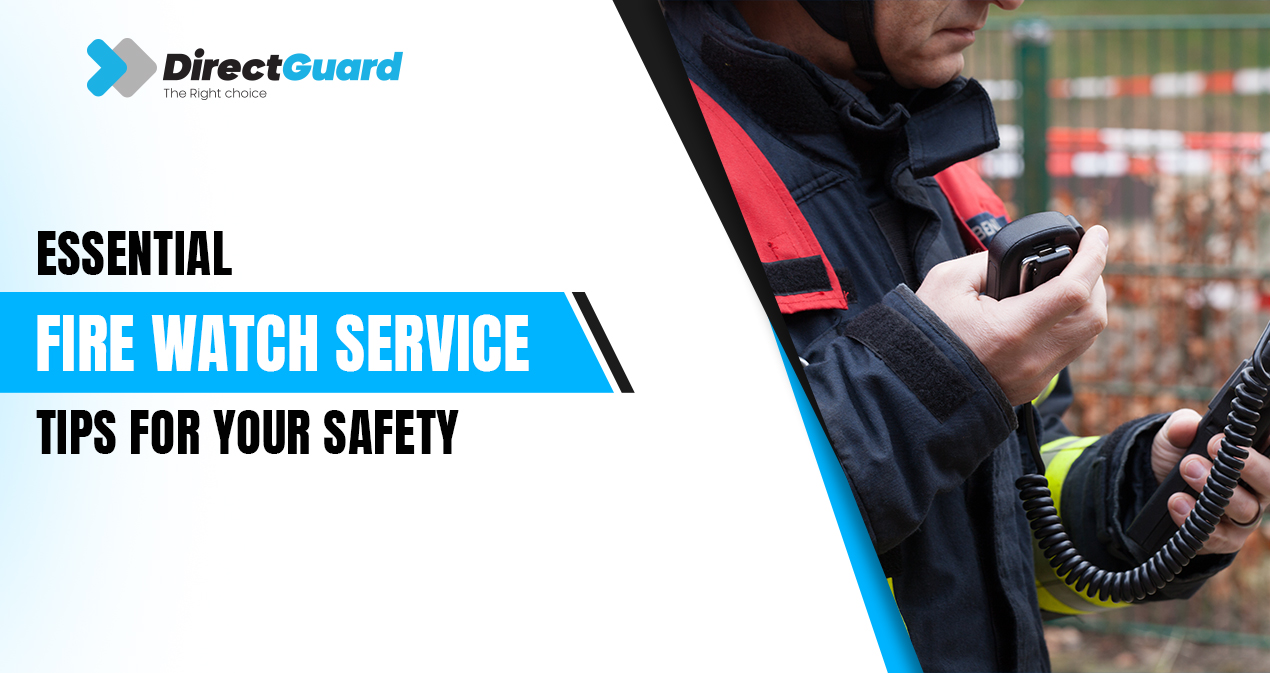
Essential Fire Watch Service Tips for Your Safety

When it comes to ensuring the safety of your premises, one of the most important aspects is fire prevention. Whether you’re managing a construction site, overseeing a large facility, or simply maintaining a building, fire watch services can be the difference between a minor incident and a catastrophic disaster. At Direct Guard Services, we believe in offering expert fire watch services that prioritize your safety. In this blog post, we’ll dive into essential fire watch service tips to ensure the utmost protection for your property.

What is Fire Watch Service?

Before we get into the tips, it’s important to understand what fire watch service entails. A fire watch is a temporary service provided to monitor and ensure that fire hazards are detected before they escalate into a dangerous situation. This typically involves trained personnel who patrol the premises, checking for any signs of fire risks, ensuring fire alarms and suppression systems are working properly, and quickly responding in case of an emergency.

Fire watch services are usually required when a building’s automatic fire protection systems, like sprinklers or alarms, are out of order, or during high-risk activities such as welding, cutting, or other hot work. These services act as an early detection and response system to prevent fires from breaking out.

1. Understand the Importance of Fire Watch Services

One of the most critical components of fire safety is ensuring that fire hazards are detected early. Fire watch services are designed to reduce risks, prevent damage to property, and most importantly, save lives. When systems fail or during hazardous activities, fire watch personnel help fill the gap by offering the constant vigilance needed to keep your building or site safe.

At Direct Guard Services, we understand that every minute counts. Fire watch is about proactively identifying potential fire hazards and quickly addressing them, whether that means using fire extinguishers or alerting emergency services.

2. Hire Experienced and Qualified Fire Watch Personnel

For a fire watch service to be effective, you need skilled and trained personnel who know exactly what they’re doing. The best fire watch services don’t just involve standing around and keeping an eye on things – they involve educated, proactive individuals who understand fire safety protocols, have the skills to manage emergency situations, and know how to spot the earliest signs of a fire risk.

At Direct Guard Services, we prioritize the training of our fire watch personnel, ensuring they are not only familiar with standard procedures but also prepared to deal with any emergency efficiently and effectively. Our team is well-versed in assessing risk factors and responding to potential threats.

3. Set Up a Routine Inspection Schedule

Regular fire watch patrols are vital. Fire watch personnel should conduct inspections at consistent intervals to detect any signs of fire risks. This means regularly checking fire alarms, smoke detectors, fire exits, and fire suppression systems to ensure they’re operational.

A routine inspection schedule should be set based on the size of your property and the level of risk involved. For example, on construction sites or facilities with a high fire risk, more frequent checks may be necessary. Keeping a log of these inspections can also help track any issues and ensure that problems are resolved in a timely manner.

4. Ensure Proper Communication Channels

Effective communication between fire watch personnel, building management, and emergency responders is crucial for timely intervention in case of a fire emergency. Fire watch personnel should be equipped with reliable communication tools to contact emergency services quickly if they identify a potential fire hazard.

Direct Guard Services ensures that all of our personnel are equipped with modern communication devices to ensure there is no delay in reporting any issues. Whether it’s a walkie-talkie, mobile phone, or another communication tool, our team is always in touch with the right people to take action when needed.

5. Use Fire Safety Equipment Properly

Fire watch personnel should be equipped with the necessary tools and equipment to handle minor fires and assist in keeping the area safe. This could include fire extinguishers, fire blankets, and other fire suppression tools. It’s crucial that fire watch personnel are not only familiar with the locations of these tools but also know how to use them properly.

Make sure the fire safety equipment on your premises is up to date and easily accessible. Fire watch personnel should be trained to use each piece of equipment in accordance with best practices. Fire extinguishers should be regularly inspected and placed in strategic locations across the site.

6. Monitor Hot Work Activities

Hot work, such as welding, cutting, or grinding, is a major cause of fires on construction sites and industrial settings. If such activities are taking place on your site, having a fire watch is essential to ensure sparks or heat do not ignite nearby combustibles.

When hot work is being performed, fire watch personnel should not only keep an eye on the work being done but also monitor the surroundings to prevent any potential fire hazards. This may include watching for sparks, ensuring flammable materials are kept a safe distance away, and monitoring exhaust systems for any unusual heat buildup.

7. Implement Fire Watch for High-Risk Areas

Some areas on your property may present higher fire risks than others. For example, kitchens, boiler rooms, chemical storage areas, and electrical rooms should be monitored more closely. If your building includes high-risk areas, implementing a more frequent and detailed fire watch service is necessary.

Direct Guard Services can provide a customized fire watch plan tailored to your property’s specific needs. We evaluate each building and assess the highest risk areas so that we can deploy the most effective safety strategies.

8. Emergency Preparedness and Evacuation Plans

Fire watch personnel must also be well-versed in emergency preparedness and evacuation procedures. It’s essential that they know the layout of the building, including all exits, stairways, and emergency routes. Should a fire break out, fire watch personnel are responsible for alerting the building’s occupants and guiding them to safety.

Additionally, they should be able to manage fire drills and ensure all staff are familiar with evacuation procedures. Regular drills and training can save lives in a real emergency by ensuring everyone knows what to do and where to go.

9. Keep Accurate Records

Maintaining detailed records of fire watch activities is not only beneficial for safety purposes but may also be required for compliance with local fire codes. Keeping an accurate log of inspections, fire watch patrols, and any incidents can help ensure that fire safety standards are consistently met and provide documentation if required by insurance companies or authorities.

At Direct Guard Services, we provide detailed reports on each fire watch service we perform, ensuring transparency and accountability.

Conclusion

Fire watch services play a crucial role in maintaining safety and preventing fire-related disasters. By following these essential tips, from hiring experienced personnel to ensuring routine inspections and emergency preparedness, you can protect your property, employees, and guests. Whether you need fire watch for construction, special events, or any other high-risk environment, Direct Guard Services is here to help ensure your safety every step of the way.

Stay vigilant, stay safe, and trust in the expertise of Direct Guard Services to keep your premises secure.

Auto Dealer Security: The Role of a Dedicated Security Guard

In today’s fast-paced world, security is more important than ever for businesses across all industries. Auto dealerships, in particular, face unique security challenges, from the risk of theft to ensuring the safety of high-value vehicles and customer information. As dealerships often operate with large inventories of expensive cars, specialized equipment, and significant foot traffic, it becomes essential to establish robust security systems to protect these assets.

One of the most effective ways to provide a layer of security is through the presence of a dedicated security guard. In this post, we’ll explore the importance of auto dealer security and the pivotal role that a professional security guard plays in ensuring the safety and integrity of a dealership.

The Importance of Auto Dealer Security

Auto dealerships face several security concerns that range from the theft of vehicles to vandalism. High-value cars are often targets for criminal activity, especially when the dealership operates in an area prone to such behavior. Additionally, dealerships house large amounts of financial and customer data, making them vulnerable to cybercrime and fraudulent activities.

Besides protecting vehicles, dealerships also need to maintain the safety of staff, customers, and visitors. A well-secured dealership will instill confidence in both customers and employees, which can improve the dealership’s reputation and customer trust.

Given the scale of potential threats, it’s essential that dealerships adopt comprehensive security measures. Having a dedicated security guard on-site can be one of the most effective ways to mitigate these risks.

What Does a Dedicated Security Guard Do for Auto Dealerships?

A dedicated security guard is more than just a presence on the dealership’s premises. They are actively involved in monitoring, protecting, and responding to security situations. The role of a security guard can vary depending on the specific needs of the dealership but generally includes the following responsibilities:

  1. Monitoring Property
    A dedicated security guard provides continuous surveillance of the property, ensuring that every part of the dealership, from the showroom to the parking lot, is secure. They utilize various methods, including closed-circuit television (CCTV) systems, patrols, and other monitoring tools to spot any suspicious activities.

  2. Deterring Criminal Activity
    The visible presence of a security guard is often enough to deter criminals from targeting the dealership. Whether it’s potential thieves attempting to steal cars or individuals planning to vandalize property, a security guard can discourage criminal activity simply by being present. The mere sight of a uniformed security professional sends a strong message that the dealership takes its security seriously.

  3. Managing Access Control
    Auto dealerships often have restricted areas, including showrooms, vehicle storage spaces, and employee-only zones. A security guard ensures that only authorized personnel have access to these areas. By controlling entry points, a security guard can prevent unauthorized individuals from accessing valuable assets and sensitive information.

  4. Responding to Emergencies
    In the event of an emergency, such as a fire, break-in, or medical situation, a security guard is trained to respond quickly and effectively. Their training allows them to handle emergencies until first responders arrive, providing valuable support during critical situations.

  5. Providing Customer Service
    Beyond security duties, dedicated security guards often serve as the first point of contact for customers visiting the dealership. They can assist with directions, answer questions, and even provide a friendly, welcoming environment. Their presence not only ensures safety but also contributes to a positive customer experience.

  6. Handling Situations of Conflict
    Dealerships sometimes face situations involving disgruntled customers or individuals causing disturbances. A security guard is trained to handle such situations professionally, de-escalating conflict and ensuring the safety of everyone involved. Their intervention can prevent situations from escalating into more serious issues, such as physical altercations.

The Role of a Security Guard in Preventing Vehicle Theft

One of the most significant threats that auto dealerships face is vehicle theft. Stolen cars are often resold or stripped for parts, causing dealerships considerable financial losses. A dedicated security guard plays a crucial role in preventing such thefts by being vigilant and proactive.

They monitor the lot for any suspicious activity, ensuring that no unauthorized individuals are loitering around the vehicles or attempting to break into the cars. During non-business hours, a security guard can conduct regular patrols of the premises, which further deters thieves who may otherwise take advantage of an unattended lot.

Additionally, security guards can also ensure that vehicles are parked securely and that all access points to the dealership are locked at the end of the day. This hands-on approach greatly reduces the likelihood of theft or vandalism.

Cybersecurity and Data Protection

In the digital age, auto dealerships are not just vulnerable to physical theft, but also to cybercrimes that target customer information and business operations. Hackers may attempt to access sensitive data, including customer credit card information, financial records, or even vehicle inventory details.

While security guards are not directly involved in IT security, their role in protecting physical security can indirectly support a dealership’s cybersecurity efforts. A security guard can monitor for unauthorized individuals trying to gain access to secure areas, such as offices or server rooms, where sensitive data may be stored. Their presence and vigilance add an extra layer of protection against data theft or breaches.

The Benefits of Having a Dedicated Security Guard

  1. Peace of Mind
    With a dedicated security guard on-site, dealership owners, staff, and customers can feel safe knowing that the dealership is well-protected. This peace of mind can improve morale among employees and enhance the overall customer experience.

  2. Cost-Effective Protection
    While some dealerships may initially hesitate to invest in security services, the cost of hiring a dedicated security guard is far less than the financial losses that can occur from theft, vandalism, or other security breaches. By preventing such incidents, a security guard can ultimately save the dealership money in the long term.

  3. Improved Reputation
    Dealerships that take proactive steps to protect their inventory, customers, and staff build a reputation for being trustworthy and responsible. This can result in increased customer loyalty and positive word-of-mouth referrals.

  4. Enhanced Operational Efficiency
    Security guards can also help maintain order within the dealership, ensuring smooth operations. Whether it’s controlling crowd flow during promotions or ensuring that no unauthorized individuals are wandering through restricted areas, security guards help keep everything running smoothly.

Conclusion

In the world of auto dealership security, the role of a dedicated security guard cannot be overstated. By providing consistent surveillance, deterring criminal activity, managing access, and handling emergencies, security guards help ensure the safety and success of dealerships. Their presence goes beyond just protecting assets; they create a safe environment for customers, employees, and vehicles alike.

Investing in professional auto dealer security is an investment in the future of the dealership. By ensuring the security of valuable assets and maintaining a secure environment, dealerships can focus on growing their business with peace of mind.