How School Security Guard Protect Students?

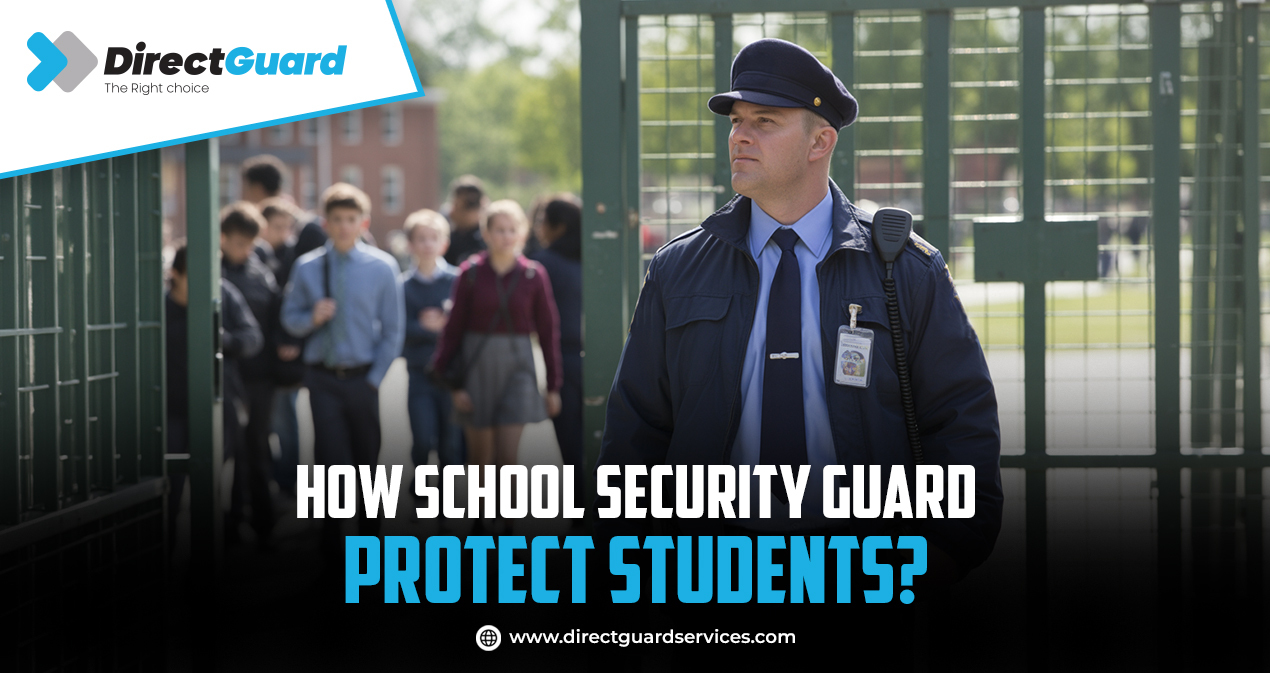
When you think of school safety, one of the first roles that comes to mind is the school security guard. But how exactly do they ensure the safety and well-being of students? In this blog, we will dive into the pivotal role of school security guards, explaining their responsibilities, how they prevent incidents, and why they are an essential part of the school community.

The Role of a School Security Guard

A school security guard is much more than a person patrolling the halls. They play a critical role in safeguarding students, staff, and visitors. Here’s how they contribute to creating a secure environment:

1. Preventing Unauthorised Access

One of the main duties of a school security guard is controlling access to the premises. This means ensuring that only authorised individuals—like students, staff, and parents—are allowed entry. They monitor school entrances and exits, check IDs, and make sure no unauthorised visitors can walk into the school unnoticed.

2. Responding to Emergencies

In cases of emergencies, whether it’s a fire, medical situation, or a security breach, the school security guard is often the first line of defence. They are trained to respond swiftly and efficiently, providing immediate assistance or calling emergency services when needed.

3. Monitoring Surveillance Systems

Many schools today are equipped with surveillance cameras throughout their premises. School security guards monitor these systems to identify any suspicious activity and act accordingly. Surveillance helps them stay alert and aware of any unusual behaviour that might pose a threat to the safety of the students.

4. Assisting with Traffic Control

In addition to securing the school, guards also help with traffic control during school hours, especially during drop-off and pick-up times. They ensure that students cross streets safely and that traffic flows smoothly to avoid accidents in and around school zones.

5. Enforcing School Policies

A security guard enforces school rules and regulations. Whether it’s making sure students are following dress codes, not loitering in restricted areas, or even managing conflicts between students, their role goes beyond just protection. They help maintain order within the school.

How School Security Guards Prevent Violent Incidents

While the role of a school security guard is not to engage in physical confrontations, their mere presence acts as a deterrent for potential incidents. Let’s explore how they help in preventing violence:

1. Conflict De-escalation

Many security guards are trained in conflict resolution techniques. If an altercation arises between students, the security guard intervenes early, calming down the situation before it escalates into something more dangerous.

2. Threat Detection and Prevention

School security guards are trained to recognise signs of possible violence. Whether it’s noticing a student carrying an item that could be a weapon or detecting signs of bullying, they are equipped to prevent such incidents from escalating. By maintaining a visible and approachable presence, they foster an environment of safety and trust.

3. Conducting Regular Patrols

A school security guard conducts routine patrols throughout the school, including parking lots, hallways, playgrounds, and other common areas. By being proactive in these patrols, they deter suspicious behaviour and prevent threats from materialising.

The Importance of School Security Guards for Student Well-being

The safety of students is paramount. Security guards provide peace of mind to parents, teachers, and students alike. Their presence assures everyone that there is someone actively monitoring the premises and responding quickly in case of danger.

Why School Security Guards are Essential for Schools

School security guards not only protect students but also play an integral part in creating a safe learning environment. Here’s why schools should prioritise hiring well-trained security personnel:

  • Peace of Mind: Knowing that a security guard is actively protecting the school fosters a sense of safety and reduces anxiety among students and parents.
  • Immediate Response: Trained security guards are capable of responding swiftly to any emergency, reducing the potential harm caused during incidents.
  • Prevention of Disruptions: By maintaining order and managing student behaviour, security guards prevent disruptions that could otherwise interfere with the learning environment.

Call to Action

If you’re looking for professional and experienced school security services, contact Direct Guard Services.

How to Get a Security Guard Card in California?

If you’re ready to start a career in the security industry, your first official step is getting licensed. Many people search for how to get a security guard card in California, but the process can feel confusing at first.

The good news? It’s actually straightforward once you understand the requirements.

In this complete guide, we’ll break everything down into simple, practical steps so you can move forward with confidence.

Quick Answer: How to Get a Security Guard Card in California

To get a security guard card in California, you must:

  1. Complete 8 hours of Power to Arrest training
  2. Apply through the California Bureau of Security and Investigative Services (BSIS)
  3. Submit Live Scan fingerprints
  4. Pass a background check
  5. Complete 32 additional training hours within 6 months

Once approved, you can legally work as a licensed security guard anywhere in California.

What Is a Security Guard Card?

A Security Guard Card (also called a Guard Card) is a state-issued license that allows you to work as an unarmed security guard in California.

It is regulated by the California Bureau of Security and Investigative Services under the California Department of Consumer Affairs.

Without this card, you cannot legally work for a security company in California.

Basic Requirements to Get a Security Guard Card in California

Before starting the process, make sure you:

  • Are at least 18 years old
  • Have legal authorisation to work in the U.S.
  • Have no serious disqualifying criminal convictions
  • Complete required training

California has strict compliance standards, so accuracy matters.

Step-by-Step Process to Get a Security Guard Card in California

Let’s go deeper into each step.

Step 1: Complete the 8-Hour Power to Arrest Training

This is the first and mandatory step in how to get a security guard card in California.

The course includes:

  • Authority and limitations of security guards
  • Legal responsibilities
  • Arrest procedures
  • Use of force guidelines

You can take this course online or in person from a BSIS-approved provider.

You must complete this before applying for your Guard Card.

Step 2: Submit Your Guard Card Application

After completing training, apply online through the California Bureau of Security and Investigative Services website.

You’ll need to:

  • Create a BSIS account
  • Complete the application
  • Pay the required fee
  • Submit personal information accurately

Make sure all information matches your ID documents to avoid delays.

Step 3: Complete Live Scan Fingerprinting

All applicants must undergo Live Scan fingerprinting for a background check.

This process:

  • Verifies your criminal history
  • Sends fingerprints to the Department of Justice
  • Confirms eligibility

Live Scan locations are available throughout:

  • Los Angeles
  • San Diego
  • San Jose
  • Sacramento

Processing typically takes 2–4 weeks.

Step 4: Receive Your Guard Card

If your application and background check are approved, BSIS will issue your Security Guard Card.

You can then legally work as an unarmed security guard in California.

Employers will verify your license status through the BSIS system.

Step 5: Complete the Additional 32 Hours of Training

After receiving your Guard Card, California requires:

  • 16 hours within 30 days
  • 16 additional hours within 6 months

These courses cover:

  • Communication skills
  • Public relations
  • Documentation and reporting
  • Liability and safety

Failure to complete these hours can result in suspension.

How Much Does It Cost to Get a Security Guard Card in California?

Here’s a breakdown:

  • 8-hour training: $50–$150
  • Application fee (BSIS)
  • Live Scan fingerprinting fee

Total estimated cost: $150–$400

Compared to many other careers, this is an affordable professional license.

How Long Does It Take?

If you’re serious about learning how to get a security guard card in California, timing is important.

  • Training: 1 day
  • Application review: 2–4 weeks
  • Full additional training: within 6 months

You may begin working once your card is issued.

Can You Get a Guard Card With a Criminal Record?

Minor offences may not automatically disqualify you. However:

  • Felonies
  • Violent crimes
  • Serious fraud charges

May result in denial.

Each application is reviewed individually by the California Bureau of Security and Investigative Services.

Career Opportunities After Getting Your Guard Card

Once licensed, you can work in:

  • Retail security
  • Corporate office security
  • Residential communities
  • Construction site monitoring
  • Event security

You can also explore professional opportunities through our:

These pages explain how professional security operations work across California.

Looking for Growth Opportunities. Apply at Direct Guard Services Now!

Common Mistakes to Avoid

When applying for a Security Guard Card in California, avoid:

  • Taking non-BSIS-approved training
  • Submitting incorrect personal information
  • Delaying fingerprinting
  • Ignoring the 32-hour training requirement

Accuracy and compliance speed up approval.

Why Compliance Matters

The security industry in California is strictly regulated to protect public safety. Following the correct process ensures:

  • Legal employment
  • Professional credibility
  • Career advancement opportunities

Always verify requirements through the California Bureau of Security and Investigative Services.

Final Thoughts

If you’ve been searching for how to get a security guard card in California, now you have a complete roadmap.

The process is simple:

  1. Complete required training
  2. Apply through BSIS
  3. Submit fingerprints
  4. Pass a background check
  5. Complete additional training

With dedication and professionalism, you can begin a stable and rewarding career in California’s growing security industry.

Frequently Asked Questions

  1. How do I check my Guard Card application status?
    You can check the status through your BSIS online account.
  2. Can I work while my Guard Card is pending?
    No. You must wait until it is officially issued.
  3. Do I need a high school diploma?
    The state does not always require it, but some employers may prefer it.
  4. How long is a Guard Card valid?
    Two years. Renewal is required before expiration.
  5. Can I upgrade to armed security later?
    Yes, but you must complete firearms training and obtain a firearm permit through BSIS.

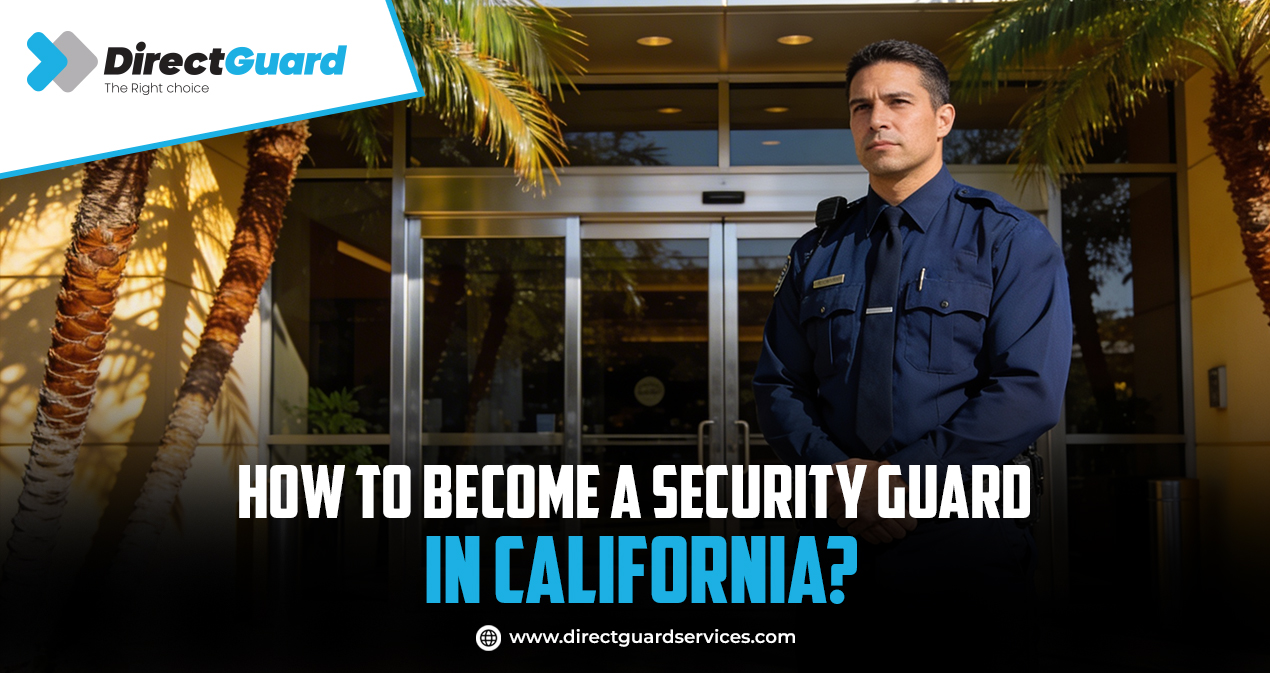
How to Become a Security Guard in California?

Starting a new career can feel like standing at the edge of something unfamiliar. You want stability. You want growth. And most importantly, you want an opportunity. If you’ve been searching for how to become a security guard in California, you’re already moving in the right direction.

California has one of the largest and most regulated security industries in the United States. The process is clear, structured, and achievable — even if you’re starting with no experience.

This guide explains everything step by step so you can confidently begin your journey.

Quick Answer: How to Become a Security Guard in California

To become a security guard in California, you must:

  1. Complete 8 hours of Power to Arrest training
  2. Apply for a Guard Card through the California Bureau of Security and Investigative Services (BSIS)
  3. Complete Live Scan fingerprinting
  4. Pass a criminal background check
  5. Finish 32 additional training hours within 6 months

Once approved, you can legally work as a licensed security guard in California.

Why Become a Security Guard in California?

The demand for licensed guards continues to grow across:

  • Los Angeles
  • San Diego
  • San Jose
  • Sacramento

Security professionals protect:

  • Corporate offices
  • Residential communities
  • Hospitals
  • Construction sites
  • Retail stores
  • Events

This career offers:

✔ Flexible schedules

✔ Entry-level accessibility

✔ Strong job availability

✔ Career growth opportunities

✔ Pathway into law enforcement

Step 1: Complete the Required 8-Hour Training

The first step in how to become a security guard in California is completing the mandatory Power to Arrest training.

This course covers:

  • Legal authority of security guards
  • Use of force limitations
  • Public interaction rules
  • California Penal Code Basics

You can take this training online or in person through a BSIS-approved provider.

Step 2: Apply for Your California Guard Card

After completing the initial course, you must apply for a Guard Card through the California Bureau of Security and Investigative Services.

The process includes:

  • Online application submission
  • Application fee payment
  • Live Scan fingerprinting
  • Background check review

Without this Guard Card, you cannot legally work as a security guard in California.

Processing time usually takes 2–4 weeks.

Step 3: Complete 32 Hours of Additional Training

Within six months of receiving your Guard Card, California requires:

  • 16 hours within 30 days
  • 16 additional hours within 6 months

Topics include:

  • Communication and de-escalation
  • Public relations
  • Documentation and report writing
  • Officer safety

This ensures guards maintain professional standards across the state.

Step 4: Choose Between Unarmed or Armed Security

When researching how to become a security guard in California, you’ll need to choose your career path.

Unarmed Security Guard

  • No firearm permit required
  • Ideal for beginners
  • Common in retail and residential settings

Armed Security Guard

  • Requires firearm training
  • Psychological assessment
  • Firearm permit from BSIS
  • Higher earning potential

How Much Does It Cost to Become a Security Guard in California?

Average total cost:

  • Training course: $50–$150
  • Guard Card application fee
  • Live Scan fingerprinting fee

Overall investment: approximately $150–$400.

Compared to many careers, this is an affordable entry into a stable profession.

How Long Does It Take?

If you’re serious about learning how to become a security guard in California, the timeline is encouraging.

  • 8-hour training: 1 day
  • Application approval: 2–4 weeks
  • Additional 32 hours: within 6 months

You can begin working once your Guard Card is issued.

Salary Expectations in California

Security guard salaries vary by region and specialisation.

Unarmed guards typically earn:

  • $16–$20 per hour
  • Armed guards can earn:
  • $20–$30+ per hour
  • Supervisors and site managers earn significantly more.
  • High-demand urban areas generally offer better compensation.

Career Growth Opportunities

Becoming licensed opens long-term paths, such as:

  • Lead Guard
  • Site Supervisor
  • Security Manager
  • Private Investigator (separate license required)
  • Security company leadership

Many professionals use this career as a stepping stone toward law enforcement.

Looking for Growth Opportunities. Apply at Direct Guard Services Now!

Common Mistakes to Avoid

When learning how to become a security guard in California, avoid:

  • Applying before completing the required training
  • Choosing non-BSIS-approved courses
  • Delaying an additional 32-hour training
  • Ignoring renewal deadlines

Compliance is critical in California’s regulated security industry.

Resources

If you are interested in professional standards or employment opportunities, explore:

These pages explain industry expectations and service quality standards.

Official Licensing Authority

All Guard Card licensing is regulated by:

Always verify your training provider is approved.

Direct Guard Services

Direct Guard Services operates within California’s professional security standards and understands BSIS compliance requirements. Our industry experience helps maintain high-quality security operations across the state.

Final Thoughts

If you’ve been wondering how to become a security guard in California, the process is structured and achievable.

  • Complete your training.
  • Apply for your Guard Card.
  • Pass your background check.
  • Finish the required additional training.

With dedication and professionalism, you can build a stable and rewarding career in California’s growing security industry.

Frequently Asked Questions

  1. How long does it take to get a Guard Card in California?
    Typically, 2–4 weeks after submitting your application and completing fingerprinting.
  2. Minor offences may not disqualify you, but serious felonies usually prevent approval.
    Can I become a security guard with a criminal record?
  3. Do I need a high school diploma?
    A diploma is not always required, but employers may prefer it.
  4. How often must I renew my Guard Card?
    Guard Cards must be renewed every two years.
  5. Is being a security guard dangerous?
    Most positions are low risk, especially unarmed roles. Proper training reduces risk significantly.

What Makes a High-Quality Private Security Company?

Security is not just about uniforms and patrol vehicles. It’s about trust, reliability, and the confidence that your people and property are truly protected. When choosing a provider, the real question isn’t simply “Who offers security services?” — it’s what makes a high-quality private security company?

A high-quality private security company delivers more than guards. It provides structured systems, trained professionals, advanced technology, strong communication, and proven accountability.

In this complete guide, we’ll break down the essential traits that separate average providers from elite security partners.

1. Proper Licensing, Certification & Compliance

The foundation of a high-quality private security company begins with full legal compliance.

Look for:

  • Valid state security licenses
  • Insurance coverage (general liability & workers’ compensation)
  • Compliance with local and federal regulations
  • Industry certifications

Reputable companies often follow professional standards set by organizations such as ASIS International, which promotes best practices in physical security and risk management.

Why it matters:

  • Protects you from liability
  • Ensures legal operation
  • Confirms professional credibility

2. Highly Trained Security Personnel

Security quality depends heavily on the people delivering the service.

A high-quality private security company invests in:

  • Background-checked personnel
  • Ongoing training programs
  • Emergency response preparation
  • Conflict resolution training
  • Customer service skills

According to workforce data from the Bureau of Labor Statistics, the security industry continues to grow, increasing the importance of proper guard training and professional standards.

Well-trained officers reduce risks, handle emergencies calmly, and represent your brand professionally.

3. Clear Risk Assessment & Customized Security Plans

Every property has different vulnerabilities.

A high-quality private security company conducts:

  • Site assessments
  • Threat analysis
  • Crime risk evaluations
  • Access point reviews

Instead of offering one-size-fits-all solutions, they design tailored security strategies.

For example:

  • Retail stores may require loss prevention.
  • Construction sites may need after-hours patrol.
  • Corporate offices may require access control and visitor management.

Customization ensures efficient protection without unnecessary expenses.

4. Strong Supervision & Accountability

Even experienced guards require supervision.

Look for companies that provide:

  • Field supervisors
  • Random site inspections
  • Detailed incident reports
  • Real-time tracking systems
  • 24/7 support center

Accountability ensures that officers remain alert, compliant, and professional at all times.

Without oversight, service quality often declines.

5. Use of Modern Security Technology

Technology enhances traditional security services.

A high-quality private security company integrates:

  • CCTV monitoring
  • GPS-tracked patrol vehicles
  • Real-time reporting apps
  • Body cameras (where applicable)
  • Access control systems

Technology improves transparency and response time.

For example:

  • GPS tracking confirms patrol completion.
  • Digital reports provide instant documentation.
  • Surveillance systems enhance deterrence.

Modern tools make security services more measurable and reliable.

6. Professional Communication & Customer Service

Security officers often interact with:

  • Employees
  • Customers
  • Residents
  • Visitors

Professional communication is essential.

A high-quality private security company ensures its officers:

  • Are well-groomed and uniformed
  • Communicate respectfully
  • Provide clear incident updates
  • Follow reporting protocols

Strong communication builds trust and reinforces your company’s image.

7. Proven Experience in Your Industry

Industry-specific experience is a major differentiator.

A company that specializes in:

  • Commercial property security
  • Residential communities
  • Healthcare facilities
  • Event security
  • Industrial sites

… will understand the risks and legal requirements specific to your sector.

Experience reduces learning curves and improves effectiveness.

8. Transparent Pricing Structure

Affordable doesn’t always mean high-quality.

However, a high-quality private security company offers:

  • Clear pricing breakdown
  • No hidden fees
  • Flexible contract options
  • Scalable services

Transparency shows professionalism and integrity.

If pricing seems unusually low, training or supervision may be compromised.

9. Fast Emergency Response Capabilities

Security incidents require immediate action.

Reliable companies provide:

  • Rapid dispatch teams
  • Alarm response services
  • Emergency escalation procedures
  • Direct coordination with law enforcement

Strong response protocols minimize damage, theft, and liability.

10. Positive Reputation & Client Reviews

Reputation reflects consistency.

Before hiring, check:

  • Online reviews
  • Testimonials
  • Case studies
  • Client references

A high-quality private security company will have documented success stories and long-term clients.

Trust is earned through performance.

Red Flags to Avoid

When evaluating providers, watch for:

  • Lack of licensing
  • High guard turnover
  • Poor communication
  • No supervision system
  • Vague contracts
  • Extremely low pricing

These signs often indicate inconsistent service quality.

Checklist: How to Identify a High-Quality Private Security Company

Use this quick checklist:

✔ Licensed and insured

✔ Strong training programs

✔ Customized security planning

✔ 24/7 supervision

✔ Technology integration

✔ Clear reporting system

✔ Industry experience

✔ Transparent pricing

✔ Positive client reviews

If a provider meets all these criteria, you are likely dealing with a high-quality private security company.

Why Quality Matters More Than Cost

Choosing a low-cost provider may seem attractive at first. However, poor security can lead to:

  • Theft losses
  • Property damage
  • Legal liability
  • Reputation harm
  • Insurance complications

Investing in a high-quality private security company reduces long-term risk and provides peace of mind.

Security is not an expense — it’s protection for your assets, employees, and operations.

Final Thoughts

A high-quality private security company does more than guard a building. It protects your operations, reputation, and people with professionalism and precision.

When evaluating providers, focus on:

  • Training
  • Compliance
  • Technology
  • Supervision
  • Reputation

Choosing the right security partner is a strategic decision that directly impacts your business stability.

If you’re ready to strengthen your protection strategy, start by requesting a professional security assessment from a qualified provider.

Frequently Asked Questions

What defines a high-quality private security company?

It combines trained personnel, legal compliance, supervision, technology, and customized planning.

Are all licensed security companies high-quality?

No. Licensing is the minimum requirement. Quality comes from training, accountability, and professional standards.

Should I choose a local or national security company?

Both can be high-quality. The key factor is their service structure, responsiveness, and experience in your industry.

Mobile Patrol Security vs On-Site Guards: Which Do You Need?

Quick Decision Summary

Choose Mobile Patrol Security if you want:

  • Cost efficiency
  • Randomized deterrence
  • Multiple property coverage
  • Alarm response

Choose On-Site Guards if you need:

  • Immediate response
  • Access control
  • High-traffic monitoring
  • Continuous supervision

Introduction

Imagine arriving at your property and discovering vandalism, theft, or unauthorized access. The real question isn’t whether you need security — it’s whether you need mobile patrol security or on-site guards.

The decision between Mobile Patrol Security vs On-Site Guards directly affects your budget, safety level, response time, and overall risk management strategy.

In this complete guide, we’ll break down the real differences, benefits, costs, industry use cases, and how to confidently decide which option fits your property.

What Is Mobile Patrol Security?

Mobile patrol security involves trained officers who patrol multiple locations in marked vehicles. They conduct scheduled or randomized inspections, respond to alarms, and ensure your property remains secure.

Key Features of Mobile Patrol Services

  • Randomized security checks
  • Vehicle patrol visibility
  • Alarm response services
  • Lock/unlock services
  • Perimeter inspections
  • Incident reporting

Mobile patrol security works as a cost-effective deterrent solution for properties that do not require constant supervision.

What Are On-Site Security Guards?

On-site guards (also called manned guarding services) are stationed at one location for continuous monitoring.

They handle:

  • Access control
  • Visitor verification
  • CCTV monitoring
  • Conflict management
  • Emergency response
  • Theft prevention

According to data from the Bureau of Labor Statistics, demand for security guards continues to grow as businesses increase investments in physical security solutions.

On-site guards provide maximum presence and immediate response capability.

Mobile Patrol Security vs On-Site Guards: Direct Comparison

1. Cost Efficiency

Mobile Patrol Security

  • Lower monthly cost
  • Pay per patrol or schedule
  • Ideal for multiple properties

On-Site Guards

  • Higher cost (hourly wages)
  • 24/7 coverage requires multiple guards
  • Higher payroll & management expense

If the budget is limited, mobile patrol security is usually more affordable.

2. Coverage Level

FeatureMobile Patrol SecurityOn-Site Guards
PresenceIntermittentContinuous
ResponseDuring visit or alarmImmediate
Property SizeLarge areasSpecific entry points
Best ForLow–Medium riskHigh-risk sites

3. Visibility & Crime Deterrence

  • Mobile patrol security creates unpredictability, which deters criminal planning.
  • On-site guards provide constant authority presence, ideal for high-traffic commercial environments.

Security standards organizations like ASIS International emphasize layered protection strategies — combining visibility and surveillance.

4. Response Time

  • On-site guards respond instantly.
  • Mobile patrol officers respond during patrol rounds or alarm calls.

If your business requires immediate threat neutralization, on-site guards have the advantage.

When Should You Choose Mobile Patrol Security?

Choose mobile patrol security if:

  • Your property is vacant overnight
  • You manage multiple locations
  • You need alarm response services
  • Your risk level is moderate
  • You want a visible but cost-effective solution

Industries that benefit:

  • Warehouses
  • Construction sites
  • Industrial parks
  • Gated communities
  • Office buildings after hours

When Should You Choose On-Site Guards?

Choose on-site security guards if:

  • Your location has heavy foot traffic
  • You require access control
  • You operate in a high-crime area
  • Customer interaction is necessary
  • Immediate emergency handling is required

Industries that benefit:

  • Hospitals
  • Hotels
  • Retail stores
  • Corporate offices
  • Event venues

The Hybrid Security Model: Best of Both Worlds

Many businesses now use a hybrid approach:

  • On-site guards during operating hours
  • Mobile patrol security overnight

This layered security model reduces cost while maintaining strong protection.

Risk Assessment Checklist

Before deciding between Mobile Patrol Security vs On-Site Guards, ask:

  • What is my crime exposure level?
  • How quickly must incidents be handled?
  • Do I need customer-facing security?
  • Is my property vacant after hours?
  • What is my monthly security budget?

A professional security audit can identify vulnerabilities and recommend the right mix.

Cost Breakdown Example

Example Scenario:

Small warehouse (low traffic, night vacancy)

  • Mobile patrol security: 3–5 visits nightly → Lower cost
  • On-site guard: 8–12 hour shift → Higher monthly expense

For many similar properties, patrol services provide sufficient deterrence.

Final Verdict: Mobile Patrol Security vs On-Site Guards

There is no universal answer in the debate of Mobile Patrol Security vs On-Site Guards. The right solution depends on your risk profile, operational hours, property size, and security goals.

If you’re unsure, consider a layered security approach for maximum protection and cost balance.

Investing in the right business security solution protects your assets, employees, and reputation.

Frequently Asked Questions (FAQ)

  1. Is mobile patrol security enough for businesses?
    Yes, for low to moderate risk properties. However, high-risk businesses often require on-site guards.
  2. Are on-site guards better than patrol security?
    Not necessarily. It depends on your risk level, activity level, and required response time.
  3. Can I switch between both services?
    Yes. Many providers offer flexible contracts to scale protection as your needs change.
  4. Which is better for construction sites?
    Mobile patrol security is commonly used for after-hours construction site monitoring.

Why Mobile Patrol Security Is Ideal for Large Properties

When it comes to securing large properties, whether it’s a corporate campus, a shopping center, or a sprawling residential community, traditional security measures like fixed cameras and static guards may not always be enough. This is where mobile patrol security comes into play, offering a flexible, efficient, and cost-effective solution for large-scale security needs.

In this blog, we’ll explore why mobile patrol security is ideal for large properties, highlighting its benefits, how it works, and why it’s increasingly becoming the go-to solution for businesses and homeowners alike.

What Is Mobile Patrol Security?

Mobile Patrol Security involves security officers who patrol a property on foot or by vehicle, covering various areas at different intervals. Unlike stationary guards, mobile patrol officers are highly mobile, giving them the ability to respond quickly to incidents across large properties. They can patrol multiple areas, monitor surveillance systems, check security points, and even conduct random inspections to ensure that everything is secure.

Key Features of Mobile Patrol Security:

  • Randomized Patrols: Officers don’t follow a fixed route, making it harder for intruders to predict their movements.
  • Flexible Coverage: Patrols can be adjusted according to the property’s needs—whether that means high-frequency patrols during peak hours or extended coverage at night.
  • Rapid Response: Mobile patrol units can quickly respond to incidents or alarms from different parts of the property.

Why Is Mobile Patrol Security Ideal for Large Properties?

1. Comprehensive Coverage Across Vast Areas

Large properties can span hundreds or even thousands of square feet. Managing security across such an expansive area can be challenging. Mobile patrols offer a wide-ranging approach by covering various zones and regions, ensuring that no corner is left unmonitored.

  • Patrol Routes: With mobile patrols, security officers can navigate the entire property—whether it’s parking lots, entrances, or less visible spots like back alleys or hidden storage areas—leaving no blind spots.
  • Accessibility: For properties with difficult terrain or vast grounds (like golf courses, large warehouses, or industrial parks), mobile patrols ensure that all areas are covered efficiently.

2. Cost-Effective Solution

For large properties, hiring a security team to station guards at every entrance and exit may become expensive. This is where mobile patrol security can offer a more cost-effective alternative. Instead of having numerous guards positioned at fixed posts, mobile patrol security provides a more streamlined solution, with fewer officers being able to cover the same or even larger areas.

  • Efficient Resource Allocation: Rather than having guards stationed at every point, mobile patrols make sure the most important areas are checked regularly.
  • Reduced Costs: Fewer personnel are needed for large-scale security while still maintaining high security levels.

3. Increased Visibility and Deterrence

One of the primary advantages of mobile patrol security is its visibility. The presence of mobile patrol units—whether on foot or in marked vehicles—provides a visible deterrent to potential criminals. When patrolling is random and frequent, it creates uncertainty for any would-be intruders about when they might be caught.

  • Patrol Vehicles: The sight of marked patrol cars in parking lots or near building entrances can act as a deterrent to criminals.
  • Random Patrols: By varying patrol routes and schedules, mobile patrols create a sense of unpredictability, further discouraging unauthorized activity.

4. Rapid Response to Emergencies

In the event of a security breach or emergency, time is critical. Mobile patrol units offer the ability to respond quickly to incidents, no matter where they occur on the property. Whether it’s an alarm, a suspicious activity report, or a potential safety hazard, mobile patrol officers can reach the scene faster than traditional fixed-position security officers.

  • Emergency Response: Mobile patrol officers are equipped to deal with emergencies, whether they’re related to physical security (e.g., break-ins) or health and safety (e.g., fire hazards).
  • Swift Action: Mobile patrols can also be linked directly to local emergency services, ensuring a swift response in case of serious incidents.

5. Flexibility and Adaptability

Large properties often have varying security needs depending on the time of day, day of the week, or season. Mobile patrol security offers flexibility, allowing patrol schedules to be adjusted based on these varying needs. This adaptability is one of the reasons why many large property owners and managers prefer mobile patrol security.

  • 24/7 Coverage: Whether it’s during busy daytime hours or quieter night shifts, mobile patrols can provide constant surveillance.
  • Adaptable Patrol Routes: Patrol officers can alter their routes based on observed threats, new areas of concern, or shifting security priorities.

6. Enhanced Reporting and Accountability

With mobile patrol security, you not only get peace of mind but also enhanced reporting. Many modern mobile patrol services incorporate technology that allows officers to log their patrols in real-time, providing property owners and managers with detailed reports on security activities.

  • Real-Time Data: Patrol officers can log information on the go, including incident reports, maintenance needs, or anything unusual.
  • Accountability: With digital logging, both the security firm and property owners can track patrol routes, times, and any issues faced by the officers.

7. Improved Safety for Tenants and Visitors

Large properties, such as apartment complexes, commercial spaces, or large venues, are often populated with tenants, employees, and visitors. Ensuring the safety of everyone on the property is crucial. Mobile patrol security offers a personalized approach to security that can address specific concerns of the residents or business owners.

  • Visitor Safety: Mobile patrols can monitor visitor entry points and make sure only authorized individuals are on the property.
  • Tenant Concerns: For residential complexes, mobile patrols can check for safety hazards, ensure lights are working, and investigate suspicious activity around the property.

Conclusion

Mobile patrol security offers a wide range of benefits for large properties. From providing comprehensive coverage to enhancing visibility, responding quickly to emergencies, and offering a cost-effective solution, it’s no wonder that mobile patrol security is becoming the go-to choice for property owners and managers.

By investing in mobile patrol security, you’re not only enhancing the safety of your property but also providing peace of mind to tenants, employees, and visitors alike. With its flexibility, adaptability, and proven effectiveness, mobile patrol security is clearly an ideal solution for large properties looking to secure their premises.

Resources

What “Professional Security” Really Means in Today’s World

In today’s world, the concept of security extends far beyond the traditional idea of guarding buildings or physical assets. Whether you are a business owner, a homeowner, or simply someone concerned about safety, understanding what “professional security” really means is crucial. But what does it truly encompass in today’s rapidly changing world?

Professional security is no longer just about physical protection. It involves advanced technology, highly trained personnel, and the ability to adapt to a constantly evolving threat landscape. In this blog, we’ll explore the importance of professional security, the components that make it effective, and how it ensures safety in our modern, interconnected world.

The Evolution of Security: More Than Just Guards and Gates

Traditional Security Systems vs. Modern Security Solutions

Historically, professional security often meant hiring guards to patrol properties or installing alarm systems. While these methods are still important, the security landscape has dramatically evolved with advancements in technology and the complexity of the threats faced today.

In the past, security was mostly reactive—responding to incidents after they occurred. Today, it is proactive, focusing on preventing threats before they escalate. This shift has been made possible by innovations like:

  • Smart Surveillance Systems: CCTV cameras, motion detectors, and facial recognition software.
  • Cybersecurity: Protection against digital threats, including hacking and identity theft.
  • Access Control: Biometric systems and keycard systems that limit who can access certain areas.

These modern approaches ensure that security is more comprehensive, reliable, and adaptable.

Why Professional Security Is Essential in Today’s World

With the rise of digital threats, evolving criminal tactics, and global instability, professional security services have never been more important. Let’s break down some of the key reasons why professional security is essential:

  1. Increasing Threats: Both physical and digital threats are becoming more sophisticated. From home burglaries to cyber-attacks, the need for professional security services to handle these threats is growing exponentially.
  2. Protection of Assets: Whether you own a business, a valuable property, or sensitive data, professional security helps safeguard these assets from theft, damage, or loss.
  3. Peace of Mind: Having professional security services in place provides peace of mind, knowing that trained professionals are on hand to handle any situation, whether it’s a fire, break-in, or cyber threat.
  4. Compliance and Liability: Many industries are subject to legal regulations concerning security. Professional security firms are knowledgeable about compliance standards, helping businesses avoid legal consequences.

Key Components of Professional Security

So, what exactly does professional security involve in today’s world? Let’s dive into the components that make up a modern, effective security system.

1. Security Personnel

Professional security personnel are often the first line of defense in ensuring safety. Trained security guards, officers, or security consultants understand the risks and take proactive measures to mitigate them. Their responsibilities may include:

  • Patrolling physical premises
  • Monitoring surveillance systems
  • Handling emergencies
  • Conducting risk assessments
  • Managing access control systems

Security personnel must be trained in both traditional and modern security practices. This includes not just physical security but also an understanding of cybersecurity, crisis management, and customer service skills.

2. Surveillance and Monitoring Systems

Surveillance technology is one of the cornerstones of modern professional security. CCTV cameras, sensors, drones, and AI-powered monitoring systems provide constant surveillance, alerting security teams to potential threats in real-time.

  • Closed-Circuit Television (CCTV): A staple of physical security, CCTV systems provide live video feeds that are monitored by security personnel.
  • Smart Sensors: These detect movement, sound, or heat and can trigger alarms or alert security teams.
  • Drones: Drones can provide aerial surveillance, offering broader coverage and even responding to incidents in real-time.

With such technologies, threats can be detected early, enabling rapid response and minimizing potential damage.

3. Cybersecurity

As the digital world grows, so do the threats it faces. Professional security services now need to protect not only physical spaces but also data and digital systems. Cybersecurity encompasses:

  • Firewalls: Protecting networks from unauthorized access.
  • Encryption: Ensuring that sensitive data remains secure.
  • Threat Detection: Monitoring systems for signs of malicious activity.
  • Incident Response Plans: Quickly addressing breaches or attacks to minimize damage.

Cybersecurity is an essential part of professional security, especially in sectors like finance, healthcare, and government, where sensitive data is a prime target for hackers.

4. Access Control

Controlling access to physical locations is critical for preventing unauthorized entry. Professional security uses advanced systems such as:

  • Biometric Authentication: Fingerprints, retina scans, or face recognition for secure entry.
  • Smart Locks and Card Access: Offering flexible and remote access management.
  • Visitor Management Systems: Logging and screening visitors to ensure they are authorized to enter.

Access control ensures that only authorized personnel can enter sensitive areas, reducing the risk of theft, sabotage, or harm.

5. Emergency Response and Crisis Management

Professional security is not just about preventing incidents but also preparing for the worst. In case of an emergency, a quick, organized response can save lives and prevent significant damage.

  • Emergency Protocols: Security companies often develop detailed emergency response plans tailored to the needs of the client.
  • Crisis Management: Trained personnel can handle situations ranging from natural disasters to security breaches.

Effective crisis management can reduce panic, protect people, and mitigate the damage during a disaster.

The Benefits of Hiring Professional Security Services

Hiring a professional security service can bring a range of benefits that are hard to achieve with DIY solutions.

  • Expert Knowledge: Security professionals bring a wealth of experience and expertise, ensuring that your security system is effective and up-to-date.
  • 24/7 Monitoring: Professional services offer round-the-clock surveillance and response, ensuring continuous protection.
  • Cost Efficiency: While hiring security services may seem expensive, the cost of security breaches, property loss, or data theft can be far greater.

Conclusion

In today’s world, professional security is about much more than just keeping people and properties safe. It involves a range of tools, technologies, and expert services that work together to prevent threats before they happen. From physical security guards to advanced cybersecurity, modern professional security systems ensure that you and your assets are protected in a constantly evolving landscape.

Understanding what “professional security” really means in today’s world is essential for safeguarding your business, home, or data. Whether you’re looking to secure physical spaces, digital systems, or both, investing in professional security is a smart choice for peace of mind and long-term protection.

Resources

How Professional Security Reduces After-Hours Incidents

After business hours are when properties are most vulnerable. With fewer employees on site, reduced lighting, and limited oversight, criminals see opportunity. Break-ins, vandalism, theft, and unauthorised access are far more likely to occur at night— unless professional security measures are in place.

Relying solely on alarms or cameras after hours often isn’t enough. Professional security services provide active prevention, rapid response, and visible deterrence, significantly reducing incidents before they escalate.

Why After-Hours Security Is Critical

Criminal activity doesn’t follow a 9–5 schedule. In fact, many incidents happen specifically when buildings appear unoccupied. After-hours threats commonly include:

  • Burglary and forced entry
  • Vandalism and property damage
  • Trespassing and loitering
  • Theft of equipment or inventory
  • Internal security breaches

Without a professional presence, these risks increase — and response times slow down.

1. Visible Security Presence Deters Criminal Activity

One of the most effective ways to prevent after-hours incidents is visibility. Professional security guards, marked patrol vehicles, and illuminated signage send a clear message: this property is actively protected.

Criminals prefer easy targets. When they see consistent patrols or guards on duty, they are far more likely to move on to less secure locations.

2. Active Patrols Identify Threats Early

Unlike static systems, professional security officers conduct routine and randomised patrols, checking:

  • Entry points and exits
  • Perimeter fencing and gates
  • Parking lots and loading areas
  • Interior spaces for irregular activity

This proactive approach allows guards to spot suspicious behaviour early— before it turns into a full incident.

3. Faster Response Means Less Damage

After-hours incidents often escalate because no one is there to intervene. Professional security eliminates that delay.

Security personnel can:

  • Intervene immediately
  • De-escalate situations in real time
  • Contact law enforcement or emergency services instantly
  • Secure the area until help arrives.

Quick action reduces property damage, liability, and downtime for your business.

4. Controlled Access After Business Hours

Professional security ensures that only authorised individuals are allowed on site after hours. Guards verify credentials, monitor access points, and prevent unauthorised entries— protecting both assets and sensitive areas.

This is especially important for:

  • Commercial buildings
  • Construction sites
  • Warehouses and distribution centres
  • Medical and office facilities

5. Reduced False Alarms and Smarter Monitoring

Unmonitored alarms and cameras often trigger false alerts, wasting time and resources. Professional security teams conduct on-site verifications, effectively addressing real threats and dismissing false alarms.

Their work results in:

  • Fewer unnecessary police calls
  • Better incident reporting
  • Improved overall security effectiveness

6. Peace of Mind for Business Owners and Staff

Having your property protected after hours instills confidence and peace of mind. Employees feel safer returning to work, management trusts that assets are secure, and businesses avoid costly disruptions caused by overnight incidents.

How Direct Guard Services Protects Your Property After Hours

At Direct Guard Services, we specialise in after-hours protection tailored to your property’s unique needs. Our professional security solutions include:

✔ Trained and licensed security officers
✔ Foot and vehicle patrols
✔ Access control and perimeter monitoring
✔ Rapid incident response
✔ Detailed reporting and accountability

We don’t just watch—we prevent, respond, and protect when your business is most at risk.

Conclusion: Prevention Starts When the Lights Go Out

After-hours incidents are preventable with the right security strategy. Professional security services provide visibility, control, and an immediate response— turning vulnerable hours into protected ones.

If your property is unguarded after hours, it’s exposed. With professional security, it’s prepared.

Call to Action

Protect your business after hours with professional security you can trust.
Contact Direct Guard Services today for a personalised after-hours security solution.

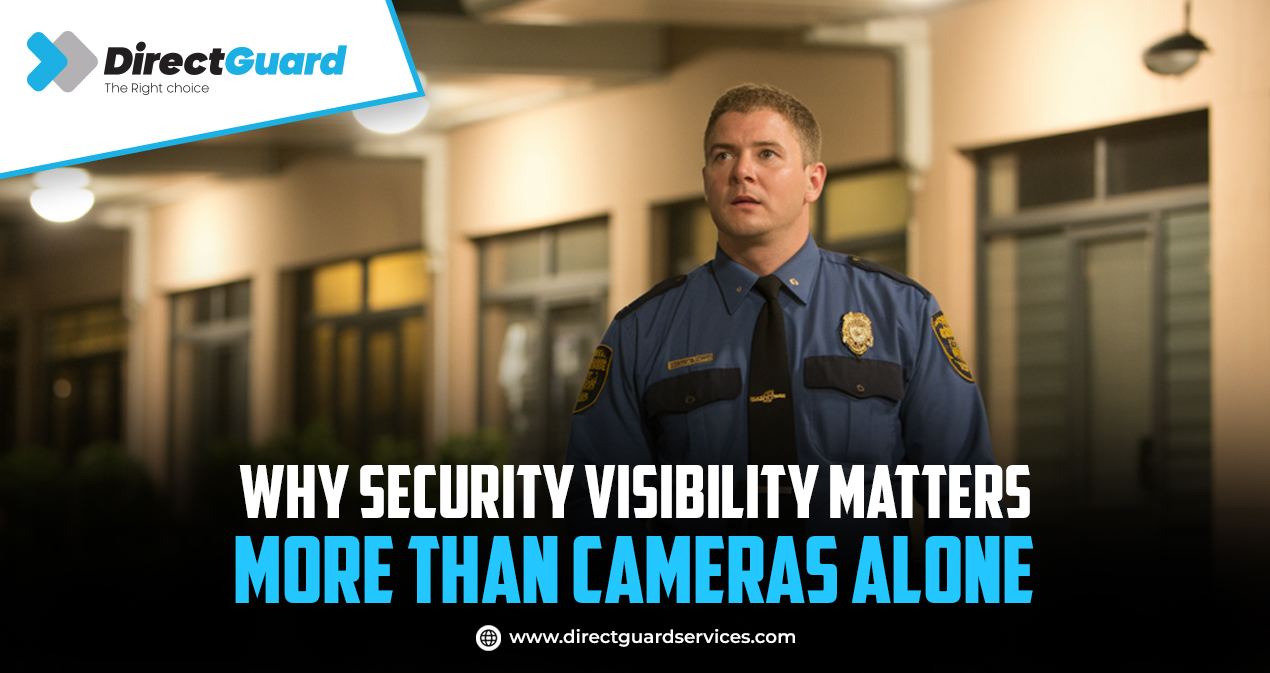
Why Security Visibility Matters More Than Cameras Alone

In today’s threat landscape, many businesses assume that installing security cameras is enough to protect people, assets, and property. But surveillance cameras — while valuable — only capture what happens. They do not necessarily deter or prevent threats from occurring in the first place.

Security visibility—the proactive awareness of your surroundings through human presence, monitoring teams, intelligent technology, and strategic positioning—offers the critical advantage that cameras alone simply cannot deliver.

What Is Security Visibility?

Security visibility means actively knowing what is happening in and around your property in real time. It includes:

  • Human guards and patrols
  • Live monitoring and alert systems
  • Strategic signage and presence
  • Intelligent video analytics and AI support

Unlike cameras that passively record events for later review, visibility gives an active deterrent effect and strengthens decision-making in the moment.

1. Cameras Alone Don’t Prevent Crime — They Only Capture It

Security cameras are excellent for evidence collection, documentation, and situational assessment. However:

  • They record after an incident occurs.
  • Footage may not be reviewed until days or weeks later.
  • Cameras miss behavioural intent — they only see motion.

This means valuable time is lost between when a threat begins and when action is taken. Visibility cuts that gap by enabling real-time awareness and response.

2. Human Presence Is a Powerful Deterrent

Visible security personnel—whether on-site or remotely monitoring—change how potential threats behave. A uniformed presence sends a clear message: “This space is protected.” This psychological deterrent is far stronger than cameras alone.

Security guards can also:

  • Intervene immediately if an incident begins.
  • Provide customer service and assistance.
  • Respond to emergencies and coordinate with authorities.

3. Proactive Response vs. Reactive Recording

Cameras are reactive — they watch and record. Visibility is proactive — it prevents. With heightened visibility:

  • Suspicious behaviour is identified early.
  • Alerts trigger faster responses.
  • Real-time human decision-making directs action, not just observation.

Studies show that unmonitored cameras miss a significant portion of criminal activity, but live monitoring and verification reduce false alarms and improve prevention outcomes.

4. Strategic Integration Is the Key — Not Cameras vs. Guards

The future of security isn’t about choosing technology over human guards—it’s about integration:

  • Cameras support human teams with extended sight.
  • Guards interpret visual data and make informed decisions.
  • AI and analytics enhance pattern detection and alert accuracy.

This layered approach ensures you’re not just watching—you’re seeing, understanding, and responding in real time.

5. Increased Confidence for Stakeholders

Security visibility doesn’t just deter threats — it creates confidence:

  • Employees feel safer on site.
  • Customers and visitors enjoy a welcoming, secure environment.
  • Management gains assurance that vulnerabilities are actively addressed.

This psychological security improves productivity and professional perception.

Real-World Example: How Visibility Prevents Incidents

Imagine two facilities:

Feature Facility A (Cameras Only) Facility B (High Visibility)
Real-Time Monitoring ✔️
Human Presence ✔️
Proactive Alerts ✔️
Immediate Response ✔️
Incident Prevention Reactive Proactive

Facility B, with visibility, stops threats before they escalate — cameras simply can’t do that by themselves.

How Direct Guard Services Elevates Security Visibility

At Direct Guard Services, we specialise in creating security solutions that go beyond cameras:

✔ Highly trained security personnel
✔ 24/7 monitoring and response
✔ Strategic visibility planning
✔ Integrated technology support

Whether you need on-site protection, remote guarding, or full surveillance integration, we deliver confidence through visibility — not just equipment.

Conclusion: Visibility is Security’s Front Line

If your current security strategy relies strictly on cameras, you’re only seeing part of the picture. Real protection comes from visible security that deters, responds to, and prevents threats before they occur.

Transform your security approach with visibility that acts — not just watches.

Call to Action

📞 Ready to enhance your security with real visibility, not just cameras?
Contact Direct Guard Services today for a free consultation and custom security strategy.